

The Ecuadorian Amazon is undoubtedly a “magical” place; it is also considered one of the most fascinating places due to its exuberant biodiversity of flora and fauna. This tropical region, also known as the “Oriente Ecuatoriano”, is located in the provinces of Sucumbíos, Orellana, Napo, Pastaza, Morona Santiago and Zamora Chinchipe. Under this preamble, we present important fact´s about this natural heritage.
Explora nuestras últimas noticias
18/09/2026
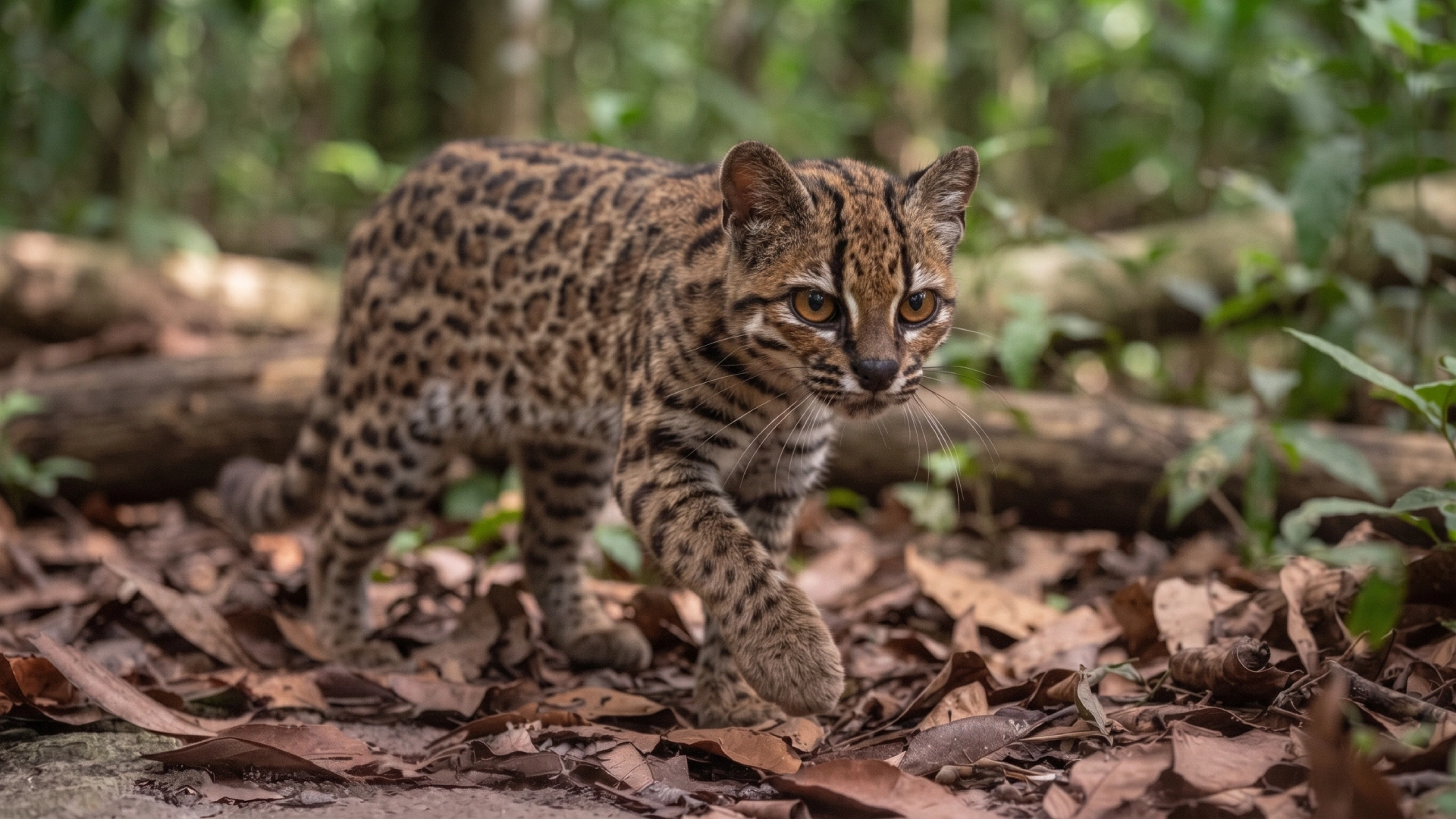
Cinco animales sorprendentes de Bolivia: conoce al gato Tilcayo y otras especies difíciles de ver

04/08/2026
Huasquila Amazon Lodge: Ubicación, cómo llegar y actividades
03/08/2026
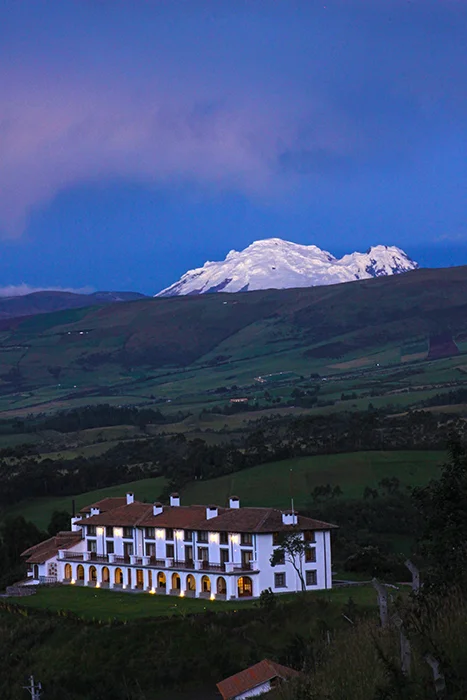
Parque Nacional de Antisana: el volcán, la fauna y La Mica
29/07/2026
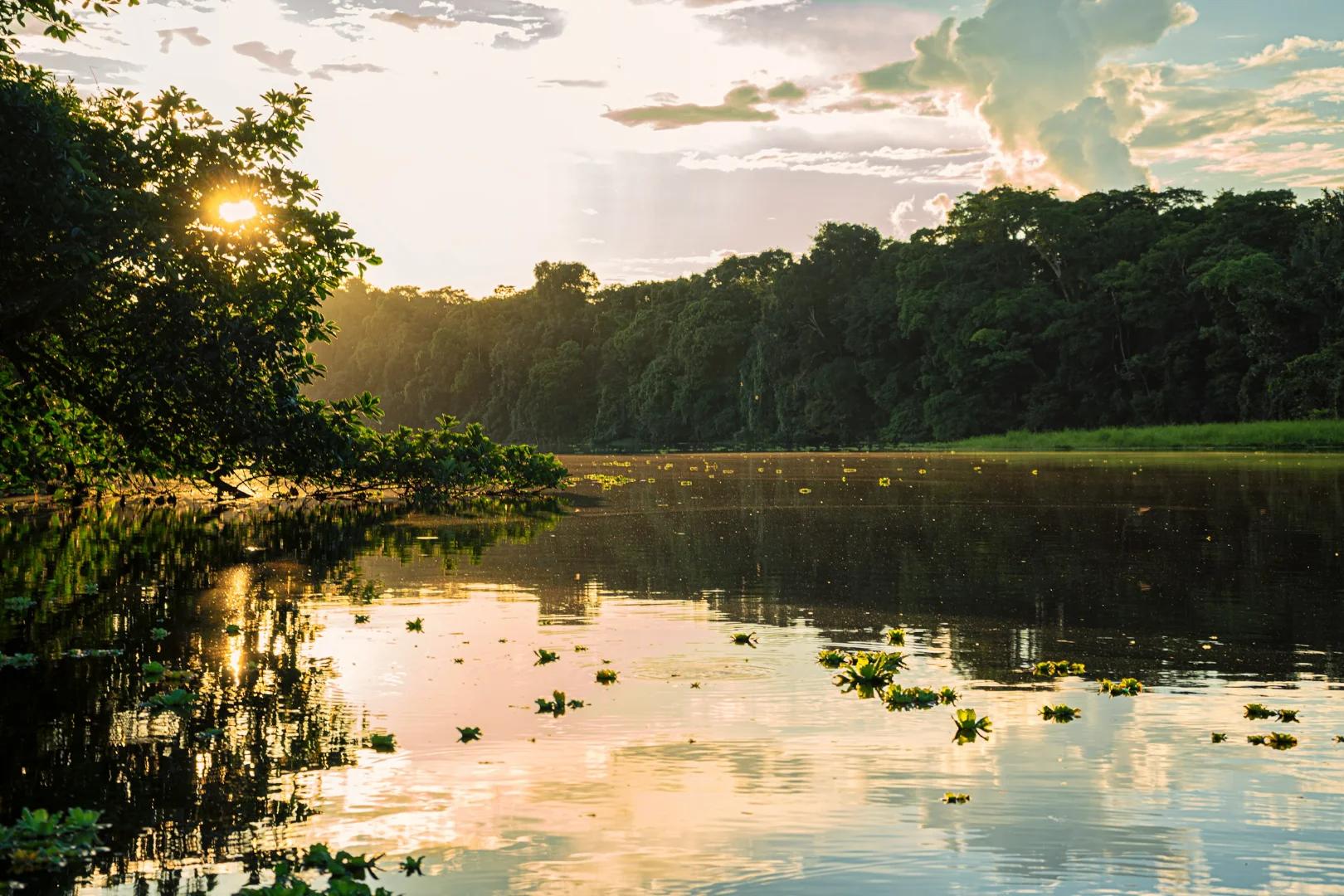
Chamanes en Ecuador: un viaje al corazón de la sabiduría amazónica
27/07/2026
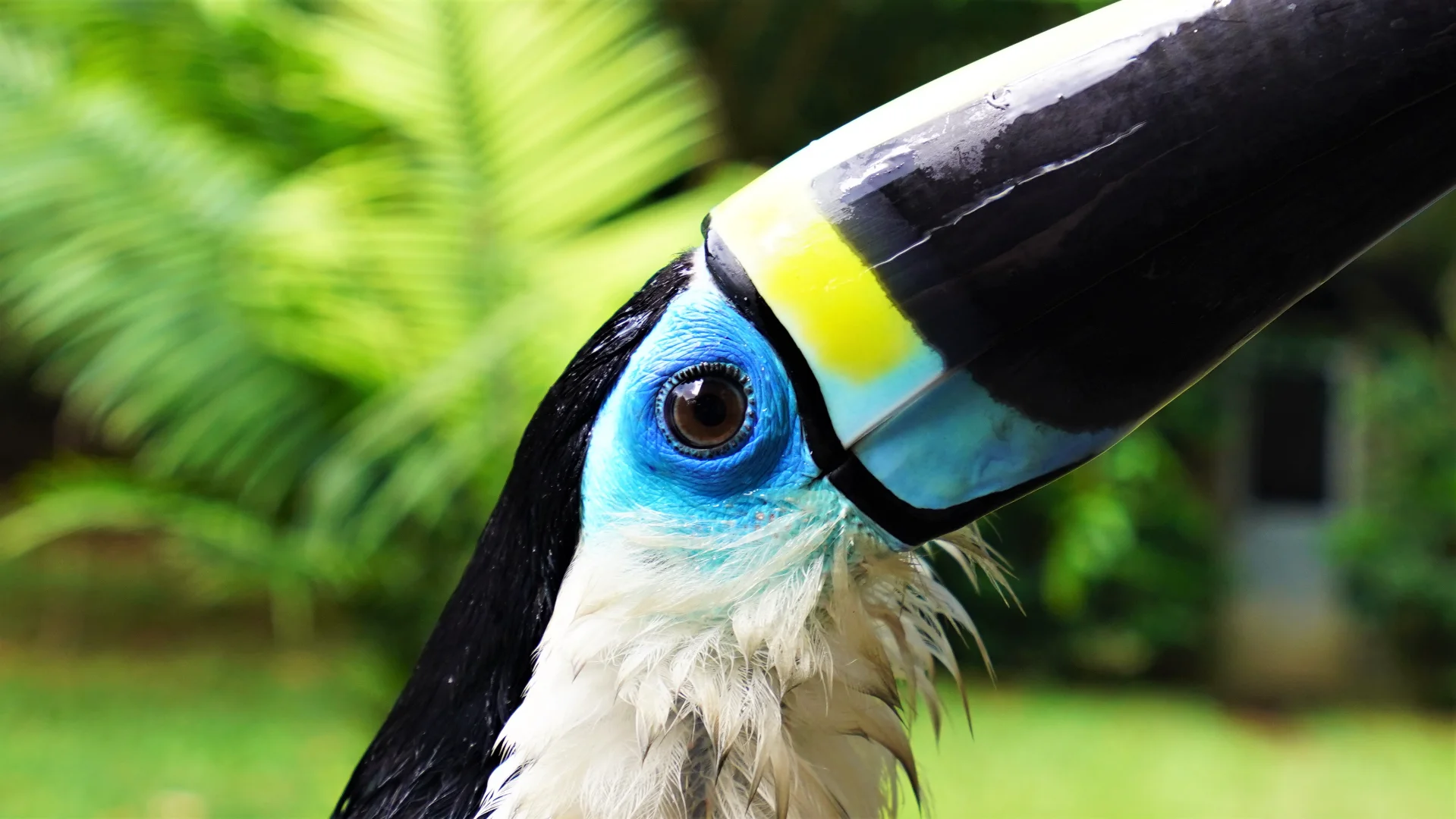
Una inmersión en la tribu waorani: El escudo del Amazonas
24/07/2026
¿Qué islas visitó Darwin durante su expedición?
Contenido mejor valorado
24/07/2026
Los Grandes Lagos y las lagunas de Sudamérica: paisajes ricos en historia, cultura y naturaleza
24/07/2026
Maravillosas rutas de senderismo en Ecuador, aptas para senderistas de todos los niveles
23/07/2026
Costa Rica contra Ecuador: ¿cuál es mejor para practicar turismo de aventura sostenible?

16/07/2026
Feria de las Flores de Medellín: guía del festival y la tradición de los silleteros

14/07/2026
Ruta del Spondylus en Ecuador: ¿el mejor viaje por carretera por la costa?
14/07/2026
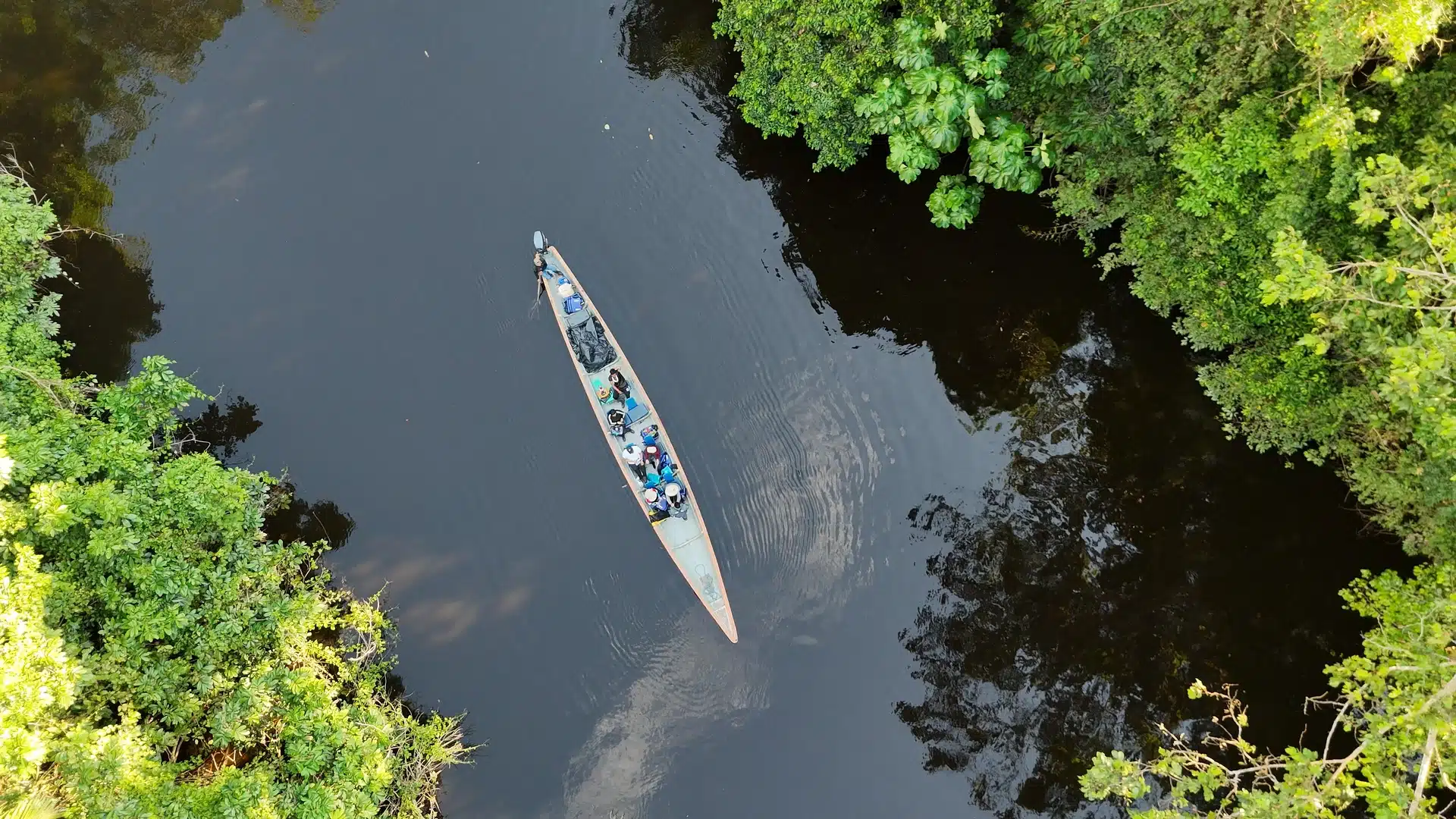
La Reserva Natural de Cuyabeno: una selva tropical ecuatoriana única, llena de «killas»
Contenido más visto
13/07/2026
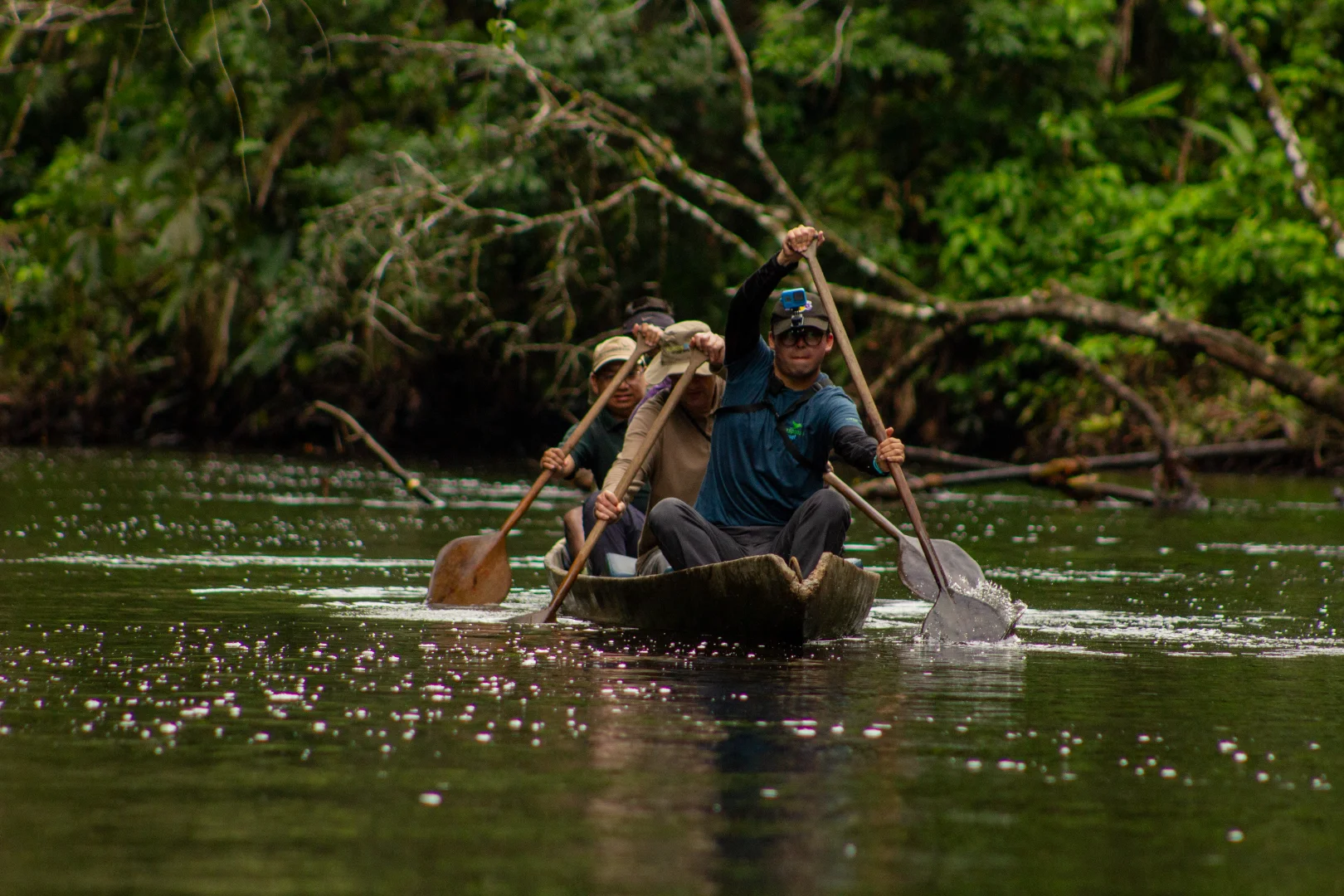
Canoas tradicionales de la Amazonía y la historia detrás de Killas
06/07/2026
¿Por qué deberías viajar el día de tu cumpleaños?

21/05/2026
¿Qué es el «Día de los Muertos» en Ecuador?
21/05/2026
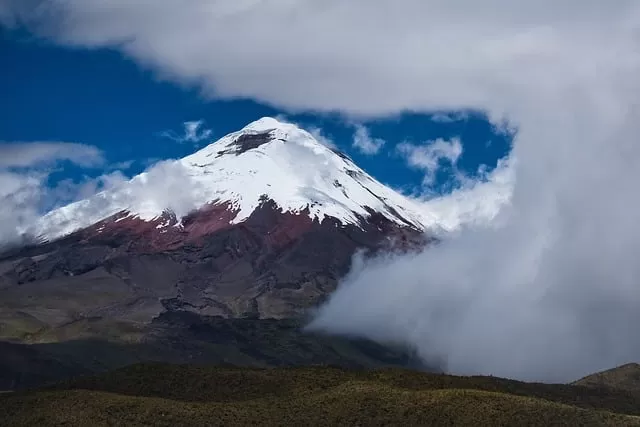
Chimborazo, Ecuador, 2023: la montaña que nunca olvidarás
21/05/2026
Los mejores destinos turísticos de Ecuador para 2023 y 2024
21/05/2026
The Best Tourist Places to See in Cusco ?

CLIMATE
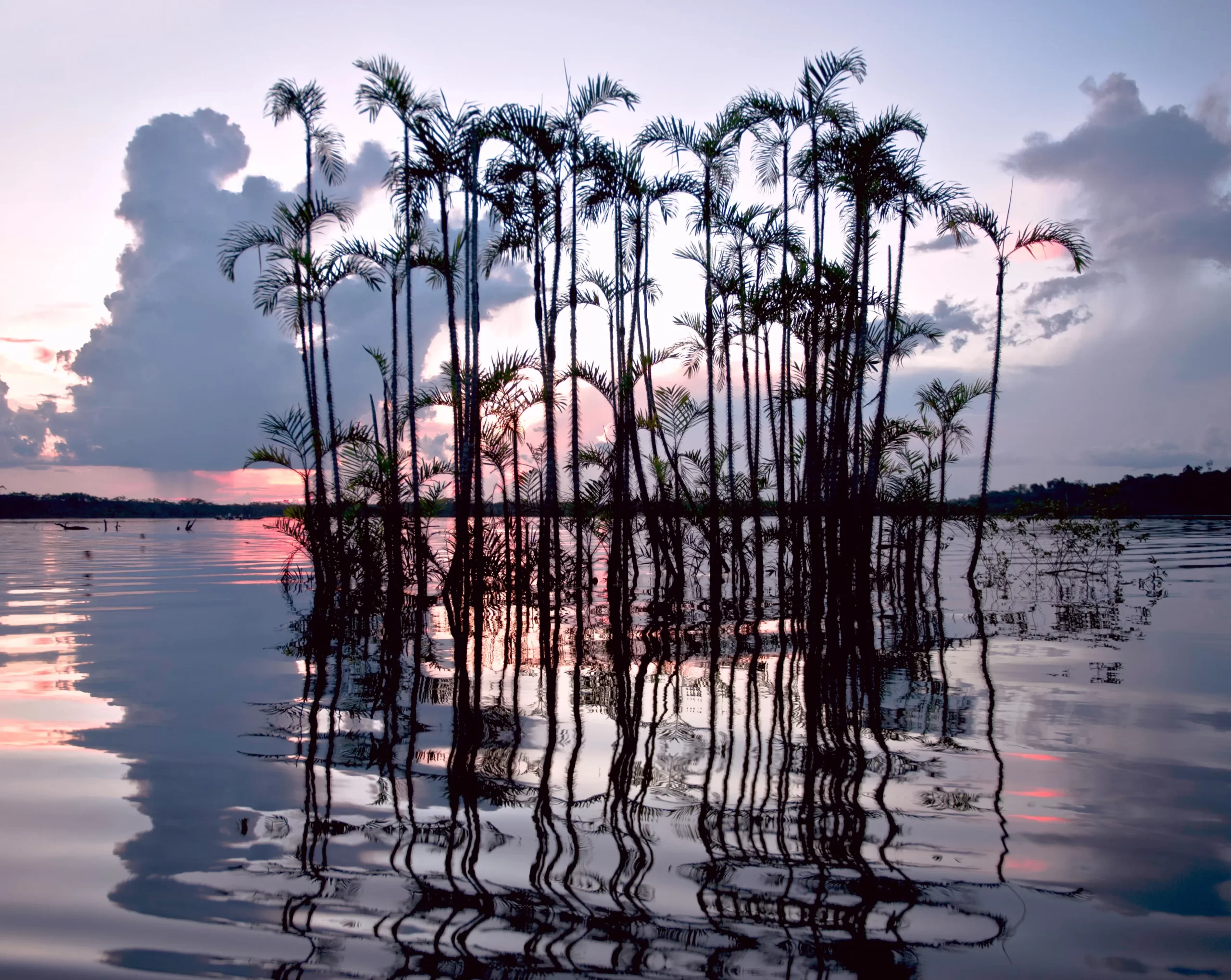
This is a region that occupies 40% of the national territory; this area has tropical, warm, and humid climates. These help the fauna and flora to act as a “big lung” helping the environment. In context, this area has two climates: “dry” and “rainy”. The first refers to the months of December to February with an average temperature of 30 degrees. On the other hand, for the other season, the months are from March to July, with an average of 28 degrees.
ECOLOGICAL WEALTH
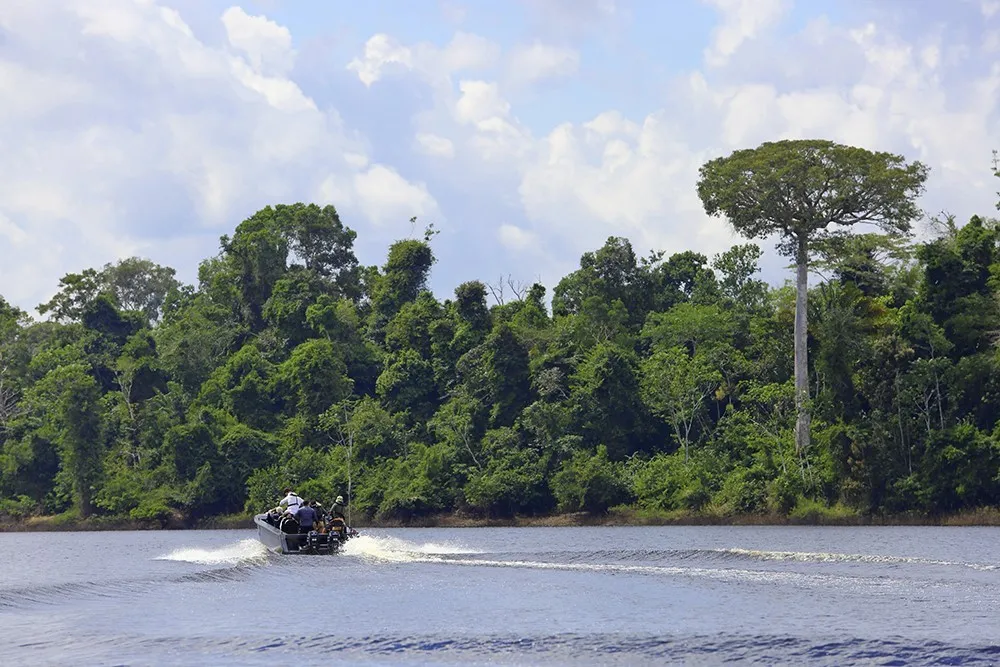
The Amazon, in addition to having a varied climate, has other factors that make it essential for the life of the species and the environment. It has rivers and wetlands that filter water, accumulating sediments and contaminants, finally supply pure water for local communities. Additionally, Amazon forests protect the land against erosion, preserve soil fertility and control the hydrological cycle, guaranteeing the presence of water for agriculture, hydroelectric energy production and human use.
FLORA Y FAUNA
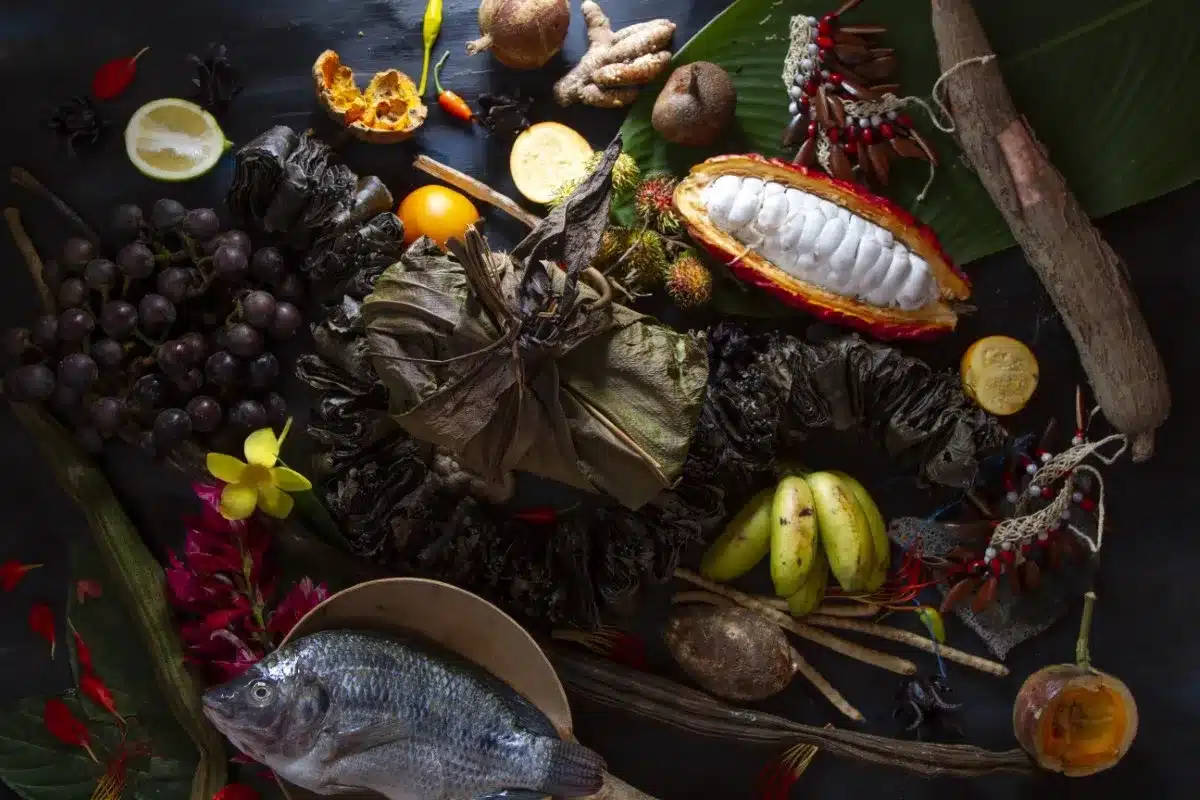
Within this biodiversity of the tropical Amazon, this place houses several emblematic species. Starting with the flora, this ecosystem has approximately 16,000 species of plants, such as bromeliads, orchids, and heliconias. Of this group, trees comprise 2,500 species, which include the ceiba, the ceibo and the balsa tree.
On the other hand, the fauna within the Amazon is one of the most diverse in the country, with more than 3 million species. The main ones are 600 species of fish, 165 species of mammals and 600 species of birds. However, the most emblematic species of this place include jaguars, giant otters, macaws, toucans, anacondas and caimans.
As an interesting fact, within the Ecuadorian Amazon there are symbiotic relationships between species. For example, some species of ants live in symbiosis with acacia trees. Ants find shelter and food in the cavities created by trees. In return, these ants defend the plant from herbivores and other threats, protecting its leaves and stems.
MOST BIODIVERSE AREA
Finally, within the Amazon region it can be considered that, apart from the flora and fauna of this place, the nationalities (contacted or in voluntary isolation) must be taken into account. Some of these are of Amazonian origin: Shuar, Achuar, Shiwiar, Huaorani, Cofán, Secoya, Siona, Zápara and Huaorani. These indigenous communities have resided in the jungle for centuries, forging a strong bond with nature and a deep understanding of its cycles and resources. For this reason, areas such as Yasuní and Cuyabeno are relevant for the protection of biodiversity through the undertaking of different lodges.
CONCLUSION
The biodiversity concentrated in the Amazon makes it challenging to protect it from several threats. However, to protect this natural heritage, cooperation and competition are essential for the survival of this ecosystem.
The Ecuadorian Amazon is undoubtedly a “magical” place; it is also considered one of the most fascinating places due to its exuberant biodiversity of flora and fauna. This tropical region, also known as the “Oriente Ecuatoriano”, is located in the provinces of Sucumbíos, Orellana, Napo, Pastaza, Morona Santiago and Zamora Chinchipe. Under this preamble, we present important fact´s about this natural heritage.
CLIMATE
This is a region that occupies 40% of the national territory; this area has tropical, warm, and humid climates. These help the fauna and flora to act as a “big lung” helping the environment. In context, this area has two climates: “dry” and “rainy”. The first refers to the months of December to February with an average temperature of 30 degrees. On the other hand, for the other season, the months are from March to July, with an average of 28 degrees.
ECOLOGICAL WEALTH
The Amazon, in addition to having a varied climate, has other factors that make it essential for the life of the species and the environment. It has rivers and wetlands that filter water, accumulating sediments and contaminants, finally supply pure water for local communities. Additionally, Amazon forests protect the land against erosion, preserve soil fertility and control the hydrological cycle, guaranteeing the presence of water for agriculture, hydroelectric energy production and human use.
FLORA Y FAUNA
Within this biodiversity of the tropical Amazon, this place houses several emblematic species. Starting with the flora, this ecosystem has approximately 16,000 species of plants, such as bromeliads, orchids, and heliconias. Of this group, trees comprise 2,500 species, which include the ceiba, the ceibo and the balsa tree.
On the other hand, the fauna within the Amazon is one of the most diverse in the country, with more than 3 million species. The main ones are 600 species of fish, 165 species of mammals and 600 species of birds. However, the most emblematic species of this place include jaguars, giant otters, macaws, toucans, anacondas and caimans.
As an interesting fact, within the Ecuadorian Amazon there are symbiotic relationships between species. For example, some species of ants live in symbiosis with acacia trees. Ants find shelter and food in the cavities created by trees. In return, these ants defend the plant from herbivores and other threats, protecting its leaves and stems.
MOST BIODIVERSE AREA
Finally, within the Amazon region it can be considered that, apart from the flora and fauna of this place, the nationalities (contacted or in voluntary isolation) must be taken into account. Some of these are of Amazonian origin: Shuar, Achuar, Shiwiar, Huaorani, Cofán, Secoya, Siona, Zápara and Huaorani. These indigenous communities have resided in the jungle for centuries, forging a strong bond with nature and a deep understanding of its cycles and resources. For this reason, areas such as Yasuní and Cuyabeno are relevant for the protection of biodiversity through the undertaking of different lodges.
CONCLUSION
The biodiversity concentrated in the Amazon makes it challenging to protect it from several threats. However, to protect this natural heritage, cooperation and competition are essential for the survival of this ecosystem.
Explora nuestras últimas noticias
18/09/2026
Cinco animales sorprendentes de Bolivia: conoce al gato Tilcayo y otras especies difíciles de ver
04/08/2026
Huasquila Amazon Lodge: Ubicación, cómo llegar y actividades
03/08/2026
Parque Nacional de Antisana: el volcán, la fauna y La Mica
29/07/2026
Chamanes en Ecuador: un viaje al corazón de la sabiduría amazónica
27/07/2026
Una inmersión en la tribu waorani: El escudo del Amazonas
24/07/2026
¿Qué islas visitó Darwin durante su expedición?
Contenido mejor valorado
24/07/2026
Los Grandes Lagos y las lagunas de Sudamérica: paisajes ricos en historia, cultura y naturaleza
24/07/2026
Maravillosas rutas de senderismo en Ecuador, aptas para senderistas de todos los niveles
23/07/2026
Costa Rica contra Ecuador: ¿cuál es mejor para practicar turismo de aventura sostenible?
16/07/2026
Feria de las Flores de Medellín: guía del festival y la tradición de los silleteros
14/07/2026
Ruta del Spondylus en Ecuador: ¿el mejor viaje por carretera por la costa?
14/07/2026
La Reserva Natural de Cuyabeno: una selva tropical ecuatoriana única, llena de «killas»
Contenido más visto
13/07/2026
Canoas tradicionales de la Amazonía y la historia detrás de Killas
06/07/2026
¿Por qué deberías viajar el día de tu cumpleaños?
21/05/2026
¿Qué es el «Día de los Muertos» en Ecuador?
21/05/2026
Chimborazo, Ecuador, 2023: la montaña que nunca olvidarás
21/05/2026
Los mejores destinos turísticos de Ecuador para 2023 y 2024
21/05/2026
The Best Tourist Places to See in Cusco ?