

The Amazon, in addition to being a biosphere center that houses a great variety of fauna and flora in the world, is also considered a lake center made up of several tributaries; however, the most important of all is the Napo River. This flow is one of the most important tributaries for this area, not only because of the life that emerges but also because of its ecosystem, which serves as a balance within the Ecuadorian Amazon.
Explora nuestras últimas noticias
18/09/2026
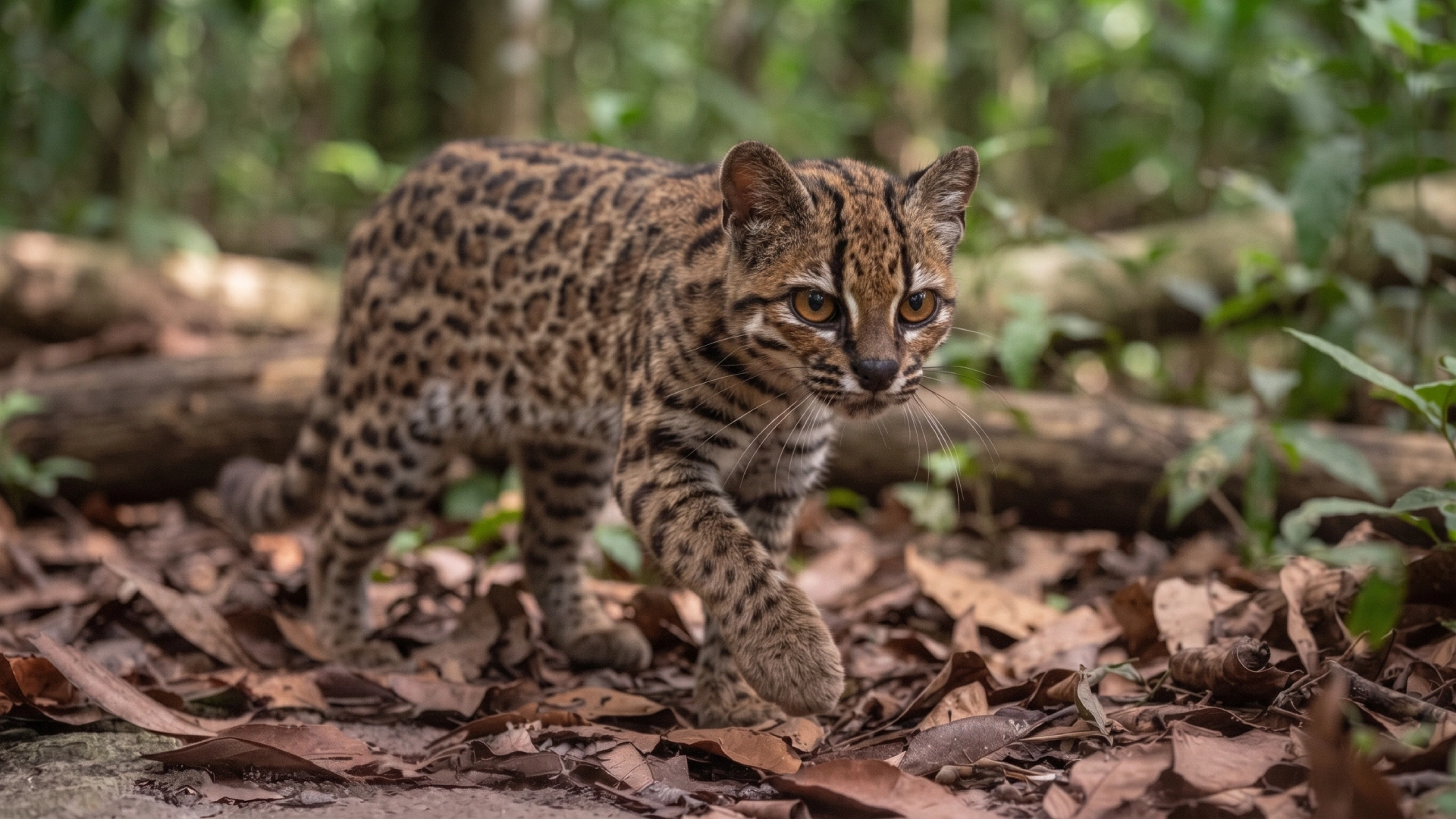
Cinco animales sorprendentes de Bolivia: conoce al gato Tilcayo y otras especies difíciles de ver

04/08/2026
Huasquila Amazon Lodge: Ubicación, cómo llegar y actividades
03/08/2026
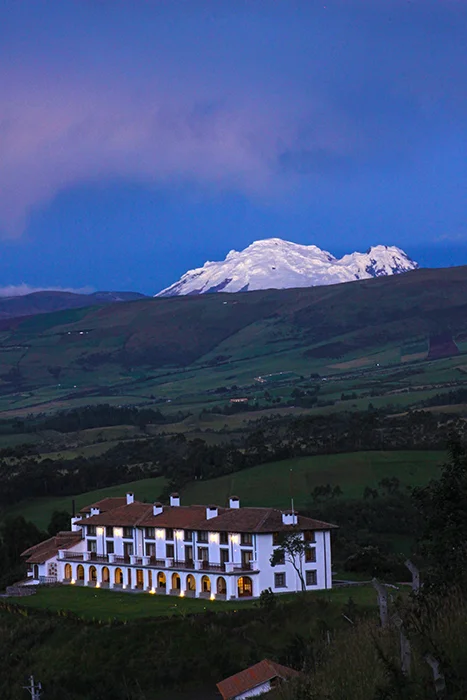
Parque Nacional de Antisana: el volcán, la fauna y La Mica
29/07/2026
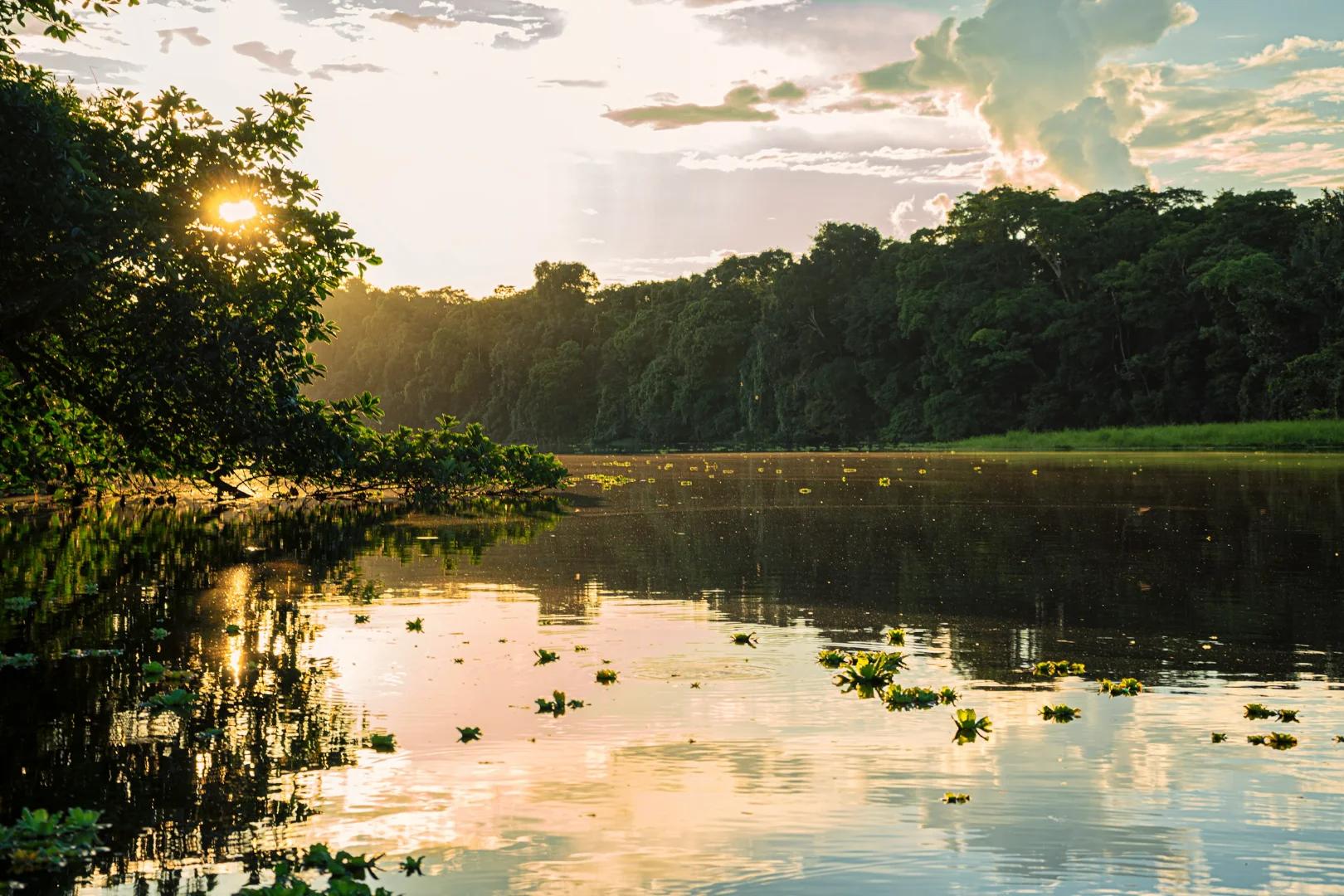
Chamanes en Ecuador: un viaje al corazón de la sabiduría amazónica
27/07/2026
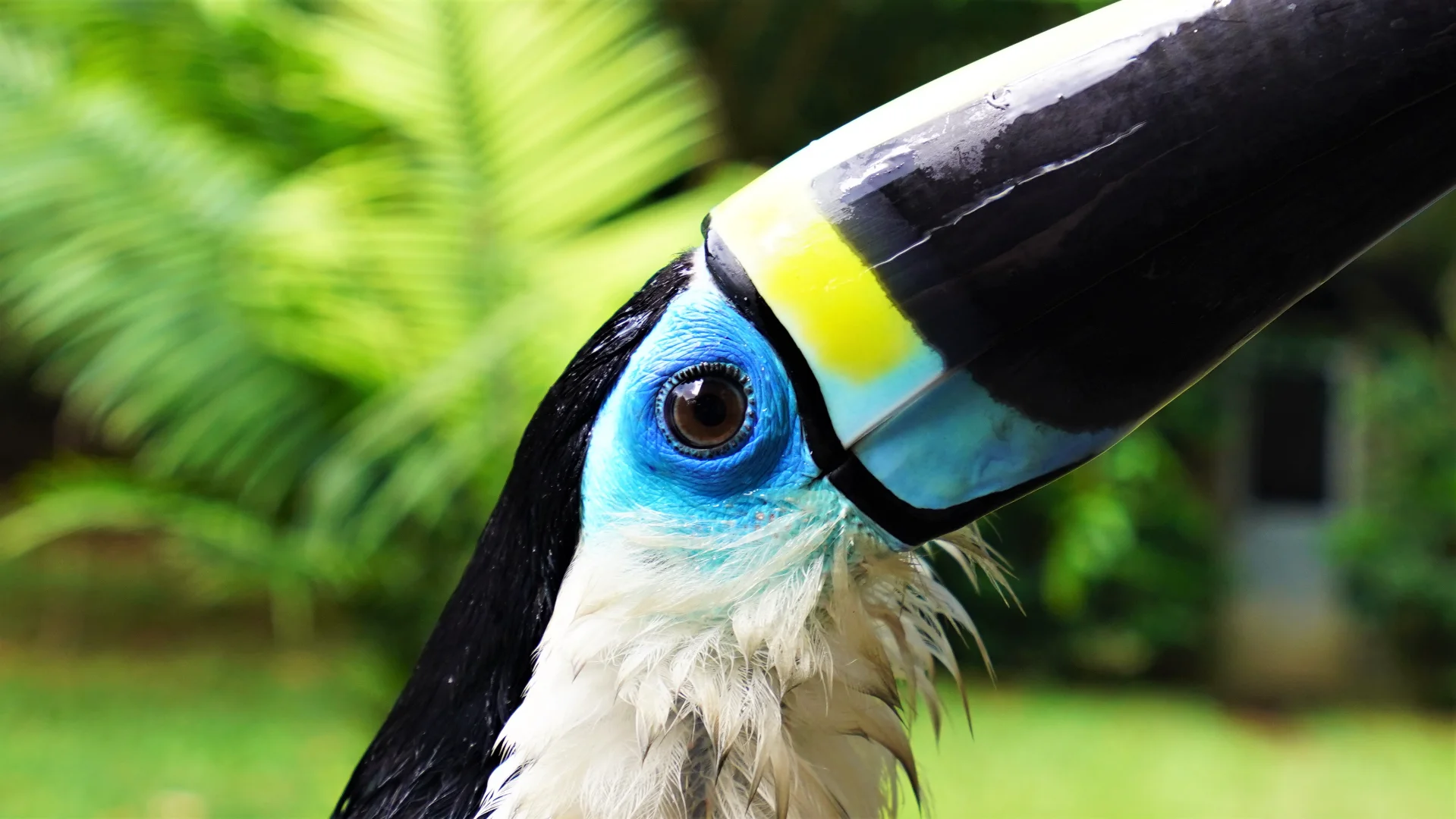
Una inmersión en la tribu waorani: El escudo del Amazonas
24/07/2026
¿Qué islas visitó Darwin durante su expedición?
Contenido mejor valorado
24/07/2026
Los Grandes Lagos y las lagunas de Sudamérica: paisajes ricos en historia, cultura y naturaleza
24/07/2026
Maravillosas rutas de senderismo en Ecuador, aptas para senderistas de todos los niveles
23/07/2026
Costa Rica contra Ecuador: ¿cuál es mejor para practicar turismo de aventura sostenible?

16/07/2026
Feria de las Flores de Medellín: guía del festival y la tradición de los silleteros

14/07/2026
Ruta del Spondylus en Ecuador: ¿el mejor viaje por carretera por la costa?
14/07/2026
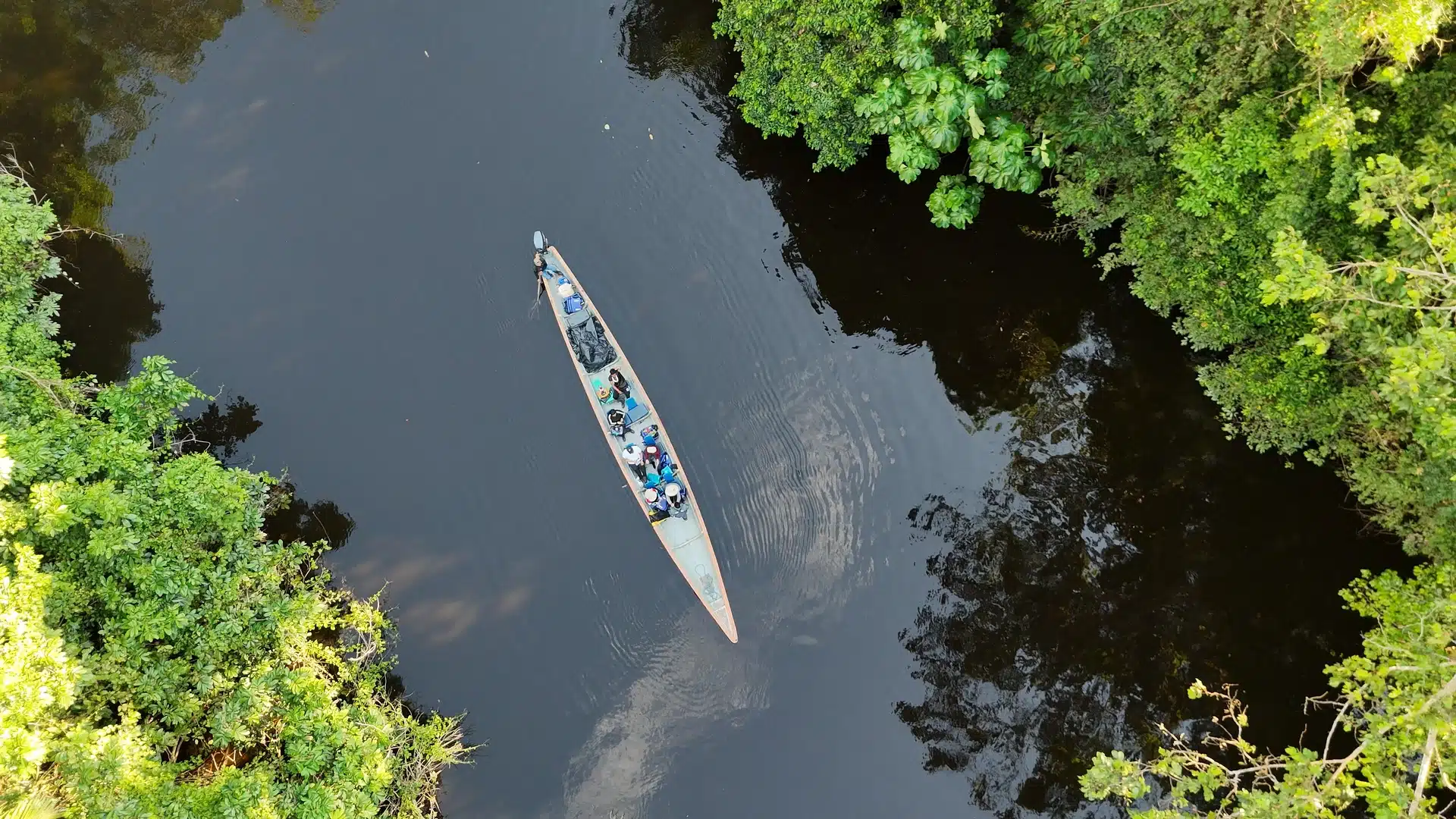
La Reserva Natural de Cuyabeno: una selva tropical ecuatoriana única, llena de «killas»
Contenido más visto
13/07/2026
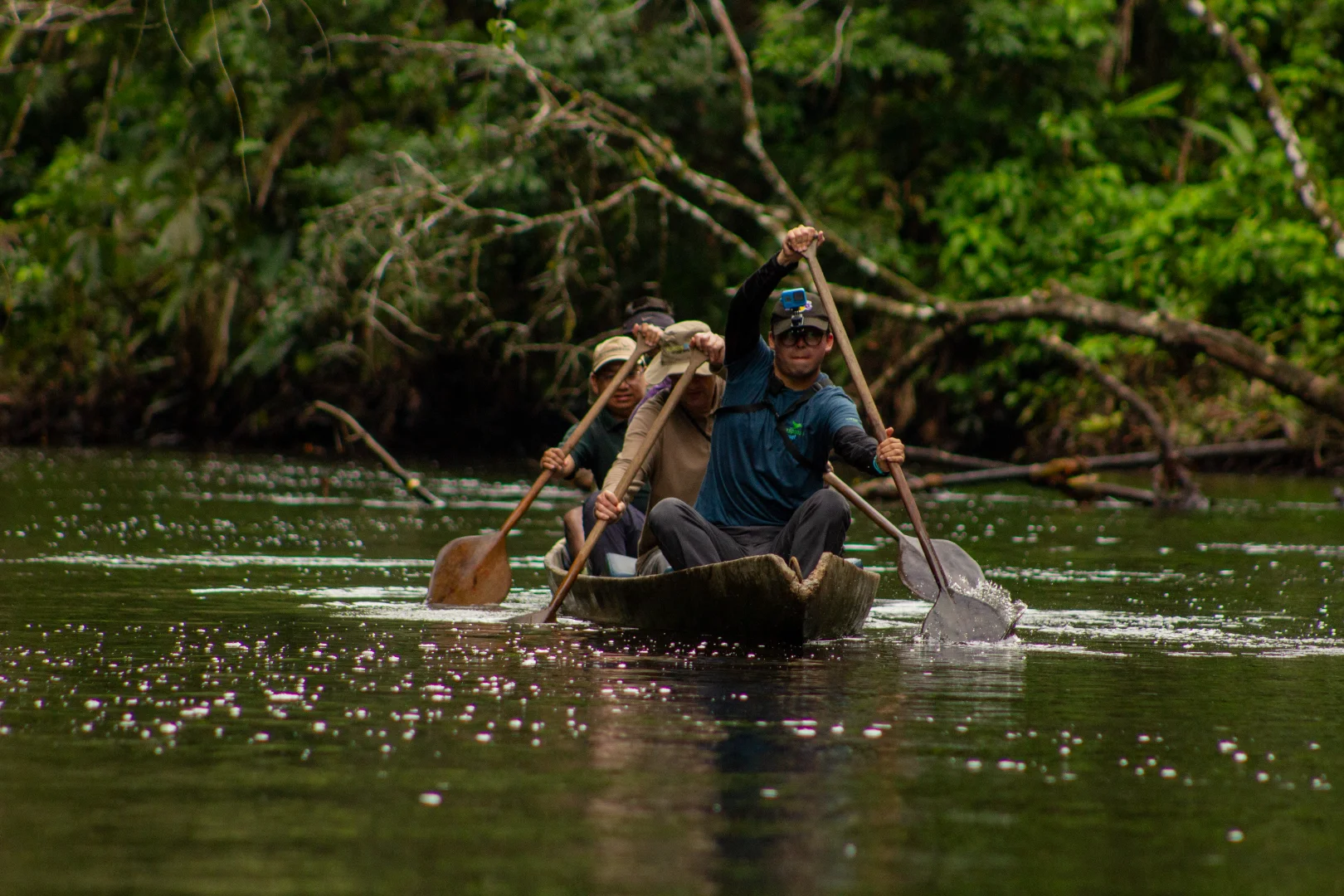
Canoas tradicionales de la Amazonía y la historia detrás de Killas
06/07/2026
¿Por qué deberías viajar el día de tu cumpleaños?

21/05/2026
¿Qué es el «Día de los Muertos» en Ecuador?
21/05/2026
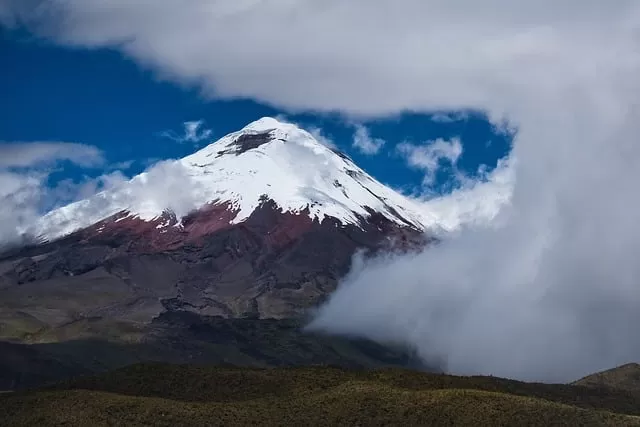
Chimborazo, Ecuador, 2023: la montaña que nunca olvidarás
21/05/2026
Los mejores destinos turísticos de Ecuador para 2023 y 2024
21/05/2026
The Best Tourist Places to See in Cusco ?

DISCOVERING THE NAPO RIVER
The source of the Napo River comes from the Cotopaxi and Antisana volcanoes, as well as from the Andean slopes and headwaters of the Chalupas, Llanganates, and Guacamayos mountain ranges. It extends approximately 1,130 km from the Andean region to the Amazon. Among its tributaries are the Coca, Tiputini, Yasuní, Aguarico, Curaray, and Tamboryacu. However, its discovery dates back to the 16th century by European colonizers and missionaries, who descended until they reached the City of Quito.
IMPORTANCE
Now, the river basin occupies 60% of the national territory; Peru has the remaining 40%. This river serves as an ecological corridor for various species, including fish, dolphins, storks, macaws, otters, alligators, and snakes. Despite its non-navigable nature, it connects to protected areas like Yasuni and supports tourism projects, allowing these species to find essential nutrients and complete their life cycles.
Additionally, the river is also a connector of culture because, on its banks, it serves as a source of sustenance for the Kichwa, Waorani and Shuar communities; They can fish and establish connection.
IMPACTS
In the 1970s, the river underwent a transformation, since due to oil companies and the creation of roads, deforestation and pollution occurred, and this led to climate change, affecting the ecosystem and its surroundings. However, foundations and community tourism have managed to revitalize spaces to protect the environment of the Amazon.
THE GATEWAY TO ECUADOR’S AMAZON
The Napo River represents life and biodiversity, a link that unites communities, species, and ecosystems. Its safeguard not only guarantees the continuity of the Amazon region but also the ecological balance of the planet.
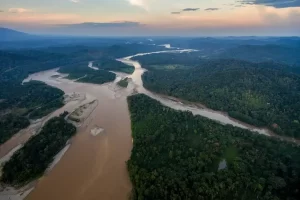
The Amazon, in addition to being a biosphere center that houses a great variety of fauna and flora in the world, is also considered a lake center made up of several tributaries; however, the most important of all is the Napo River. This flow is one of the most important tributaries for this area, not only because of the life that emerges but also because of its ecosystem, which serves as a balance within the Ecuadorian Amazon.
DISCOVERING THE NAPO RIVER
The source of the Napo River comes from the Cotopaxi and Antisana volcanoes, as well as from the Andean slopes and headwaters of the Chalupas, Llanganates, and Guacamayos mountain ranges. It extends approximately 1,130 km from the Andean region to the Amazon. Among its tributaries are the Coca, Tiputini, Yasuní, Aguarico, Curaray, and Tamboryacu. However, its discovery dates back to the 16th century by European colonizers and missionaries, who descended until they reached the City of Quito.
IMPORTANCE
Now, the river basin occupies 60% of the national territory; Peru has the remaining 40%. This river serves as an ecological corridor for various species, including fish, dolphins, storks, macaws, otters, alligators, and snakes. Despite its non-navigable nature, it connects to protected areas like Yasuni and supports tourism projects, allowing these species to find essential nutrients and complete their life cycles.
Additionally, the river is also a connector of culture because, on its banks, it serves as a source of sustenance for the Kichwa, Waorani and Shuar communities; They can fish and establish connection.
IMPACTS
In the 1970s, the river underwent a transformation, since due to oil companies and the creation of roads, deforestation and pollution occurred, and this led to climate change, affecting the ecosystem and its surroundings. However, foundations and community tourism have managed to revitalize spaces to protect the environment of the Amazon.
THE GATEWAY TO ECUADOR’S AMAZON
The Napo River represents life and biodiversity, a link that unites communities, species, and ecosystems. Its safeguard not only guarantees the continuity of the Amazon region but also the ecological balance of the planet.
Explora nuestras últimas noticias
18/09/2026
Cinco animales sorprendentes de Bolivia: conoce al gato Tilcayo y otras especies difíciles de ver
04/08/2026
Huasquila Amazon Lodge: Ubicación, cómo llegar y actividades
03/08/2026
Parque Nacional de Antisana: el volcán, la fauna y La Mica
29/07/2026
Chamanes en Ecuador: un viaje al corazón de la sabiduría amazónica
27/07/2026
Una inmersión en la tribu waorani: El escudo del Amazonas
24/07/2026
¿Qué islas visitó Darwin durante su expedición?
Contenido mejor valorado
24/07/2026
Los Grandes Lagos y las lagunas de Sudamérica: paisajes ricos en historia, cultura y naturaleza
24/07/2026
Maravillosas rutas de senderismo en Ecuador, aptas para senderistas de todos los niveles
23/07/2026
Costa Rica contra Ecuador: ¿cuál es mejor para practicar turismo de aventura sostenible?
16/07/2026
Feria de las Flores de Medellín: guía del festival y la tradición de los silleteros
14/07/2026
Ruta del Spondylus en Ecuador: ¿el mejor viaje por carretera por la costa?
14/07/2026
La Reserva Natural de Cuyabeno: una selva tropical ecuatoriana única, llena de «killas»
Contenido más visto
13/07/2026
Canoas tradicionales de la Amazonía y la historia detrás de Killas
06/07/2026
¿Por qué deberías viajar el día de tu cumpleaños?
21/05/2026
¿Qué es el «Día de los Muertos» en Ecuador?
21/05/2026
Chimborazo, Ecuador, 2023: la montaña que nunca olvidarás
21/05/2026
Los mejores destinos turísticos de Ecuador para 2023 y 2024
21/05/2026
The Best Tourist Places to See in Cusco ?