

The Ecuadorian Amazon has approximately 1022736 hectares; this biosphere reserve has many more secrets to share. Apart from the ecotourism that takes place within this exuberant area, we can find contacted communities or indigenous peoples (Siona, Kichwau… etc.), which seek sustainable change through tourism. However, this article will focus on the study of uncontacted groups, which also give importance and culture within this ecosystem.
Explorez nos dernières nouvelles
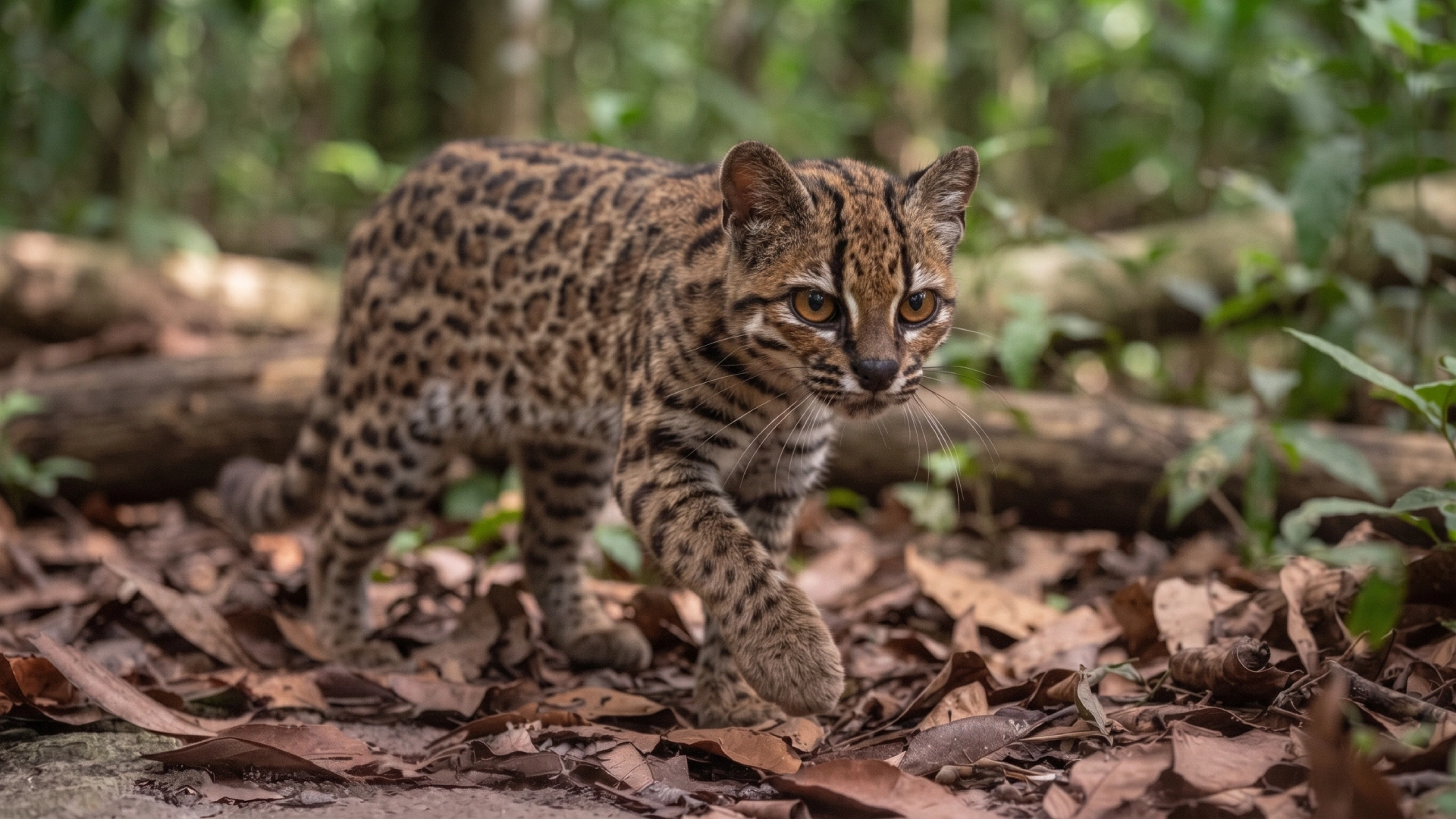
18/09/2026
Cinq animaux fascinants de Bolivie : découvrez le chat Tilcayo et d’autres espèces difficiles à observer

04/08/2026
Huasquila Amazon Lodge : Situation, accès et activités
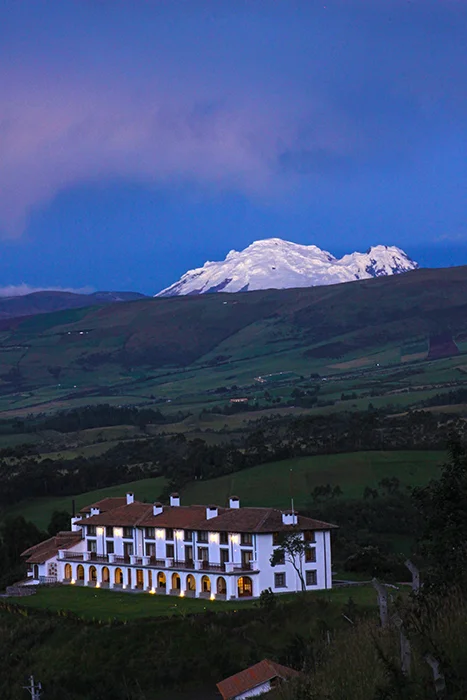
03/08/2026
Parc national d'Antisana : volcan, faune sauvage et La Mica
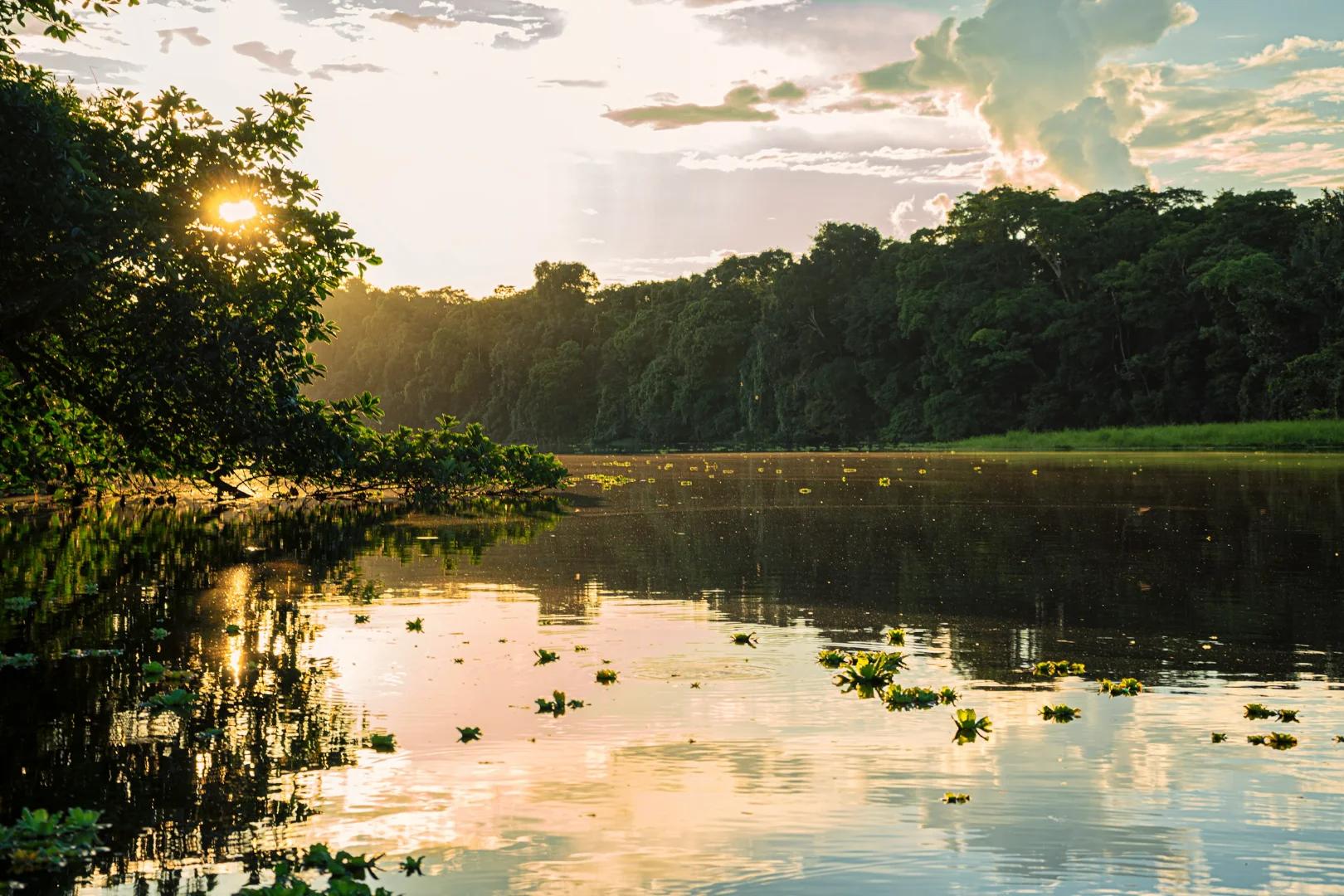
29/07/2026
Les chamans en Équateur : un voyage au cœur de la sagesse amazonienne
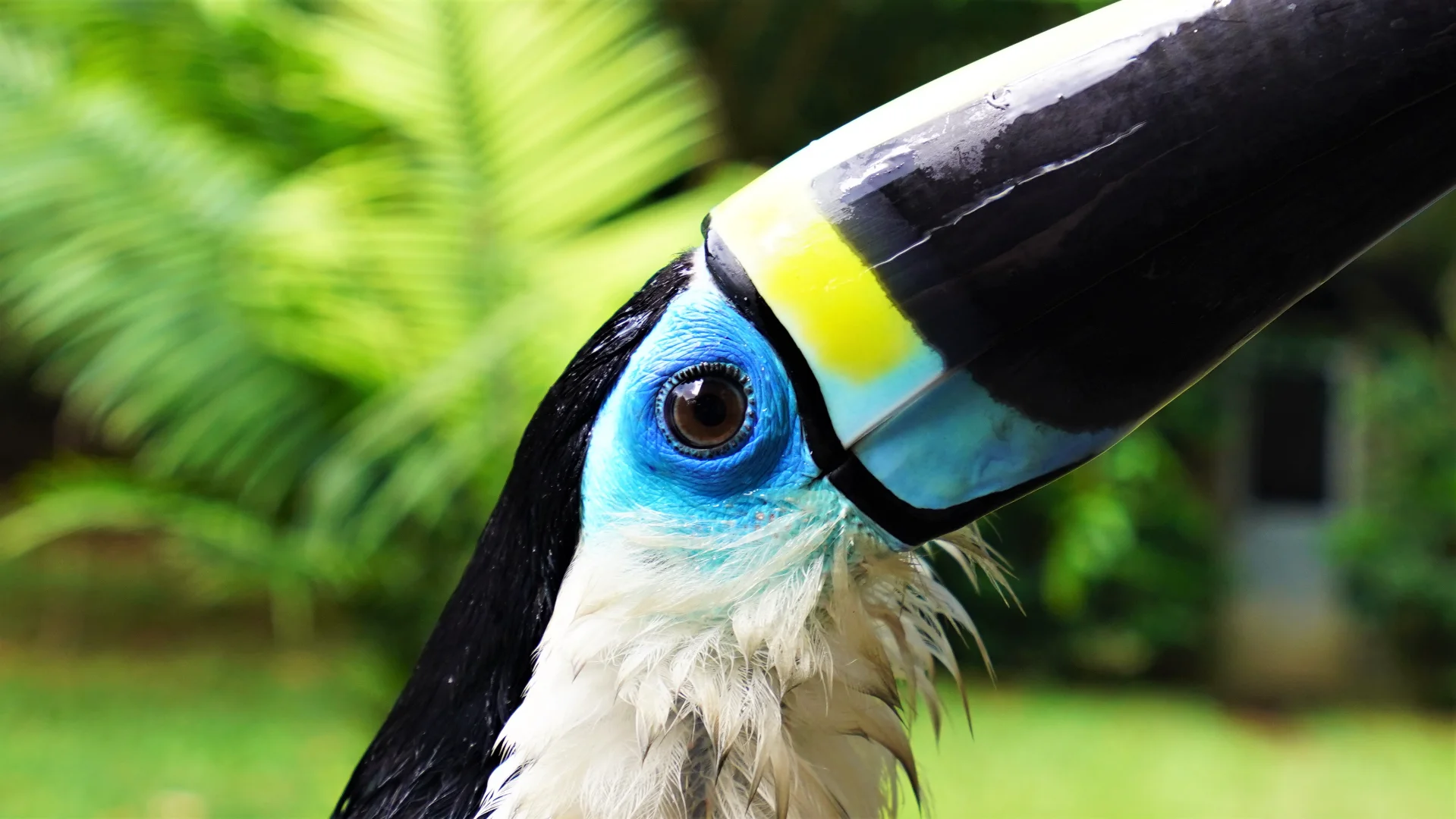
27/07/2026
À la découverte de la tribu des Waorani : le bouclier de l'Amazonie
24/07/2026
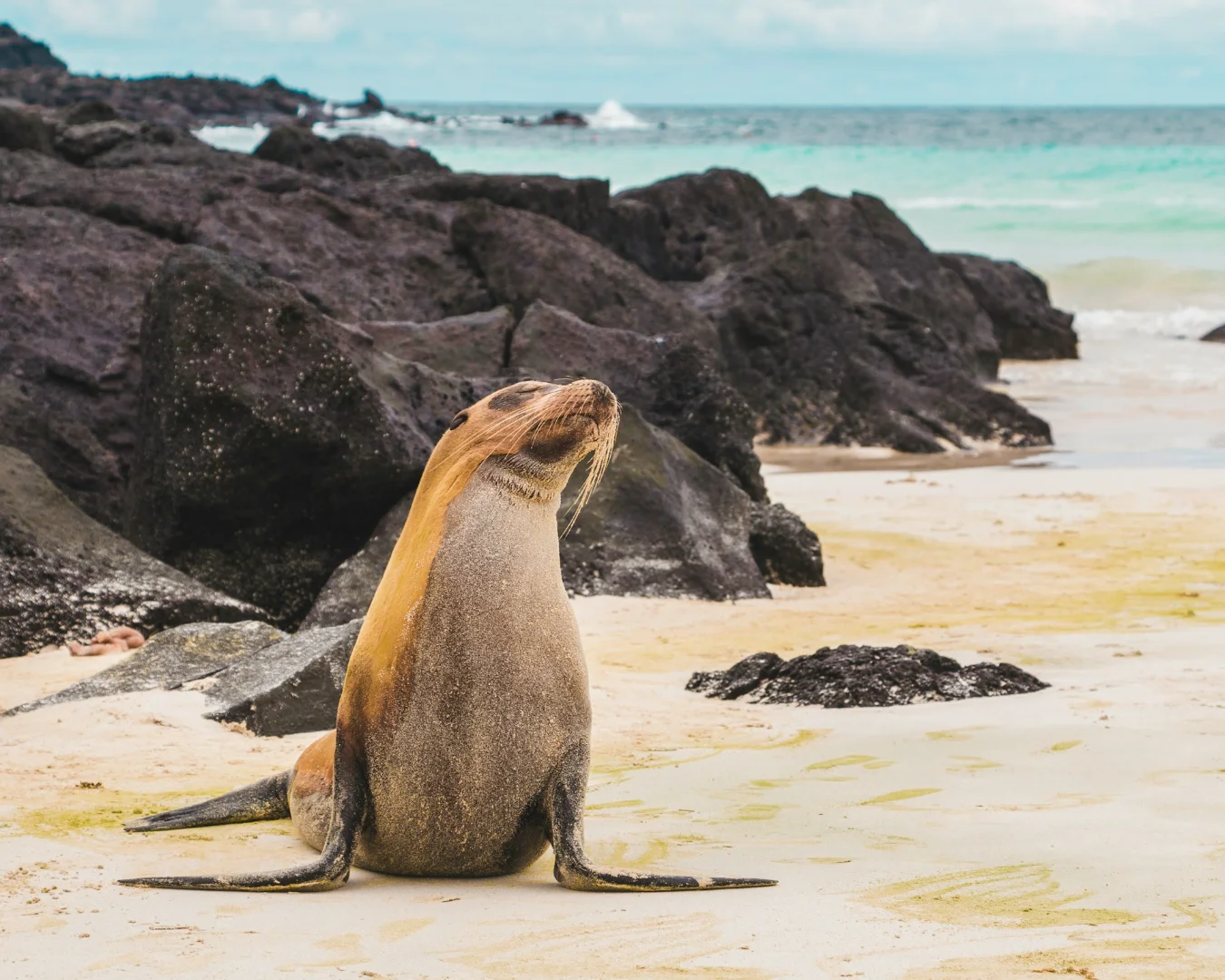
Quelles îles Darwin a-t-il visitées au cours de son expédition ?
Contenu le mieux noté
24/07/2026
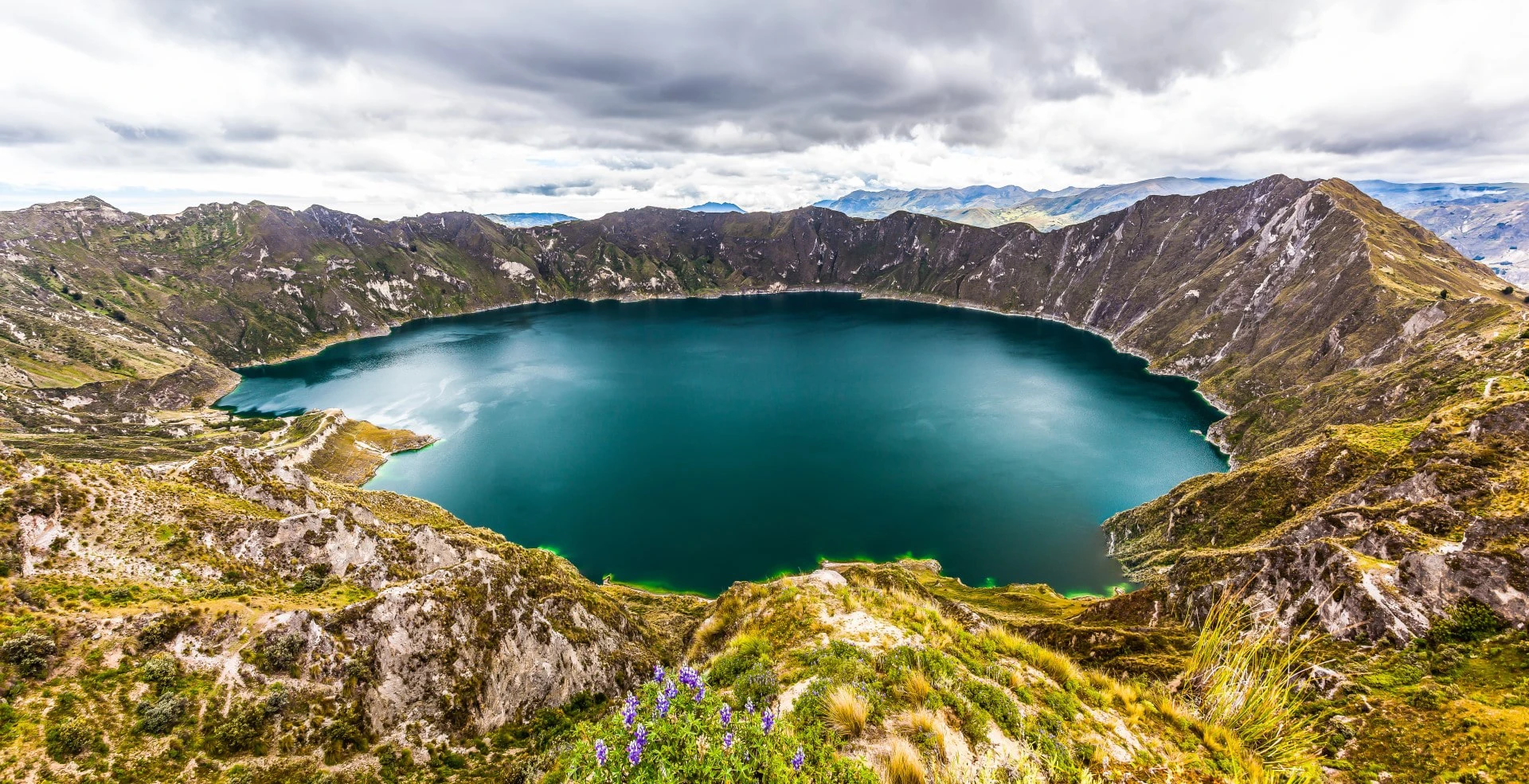
Les grands lacs et lagunes d'Amérique du Sud : des paysages riches en histoire, en culture et en nature
24/07/2026
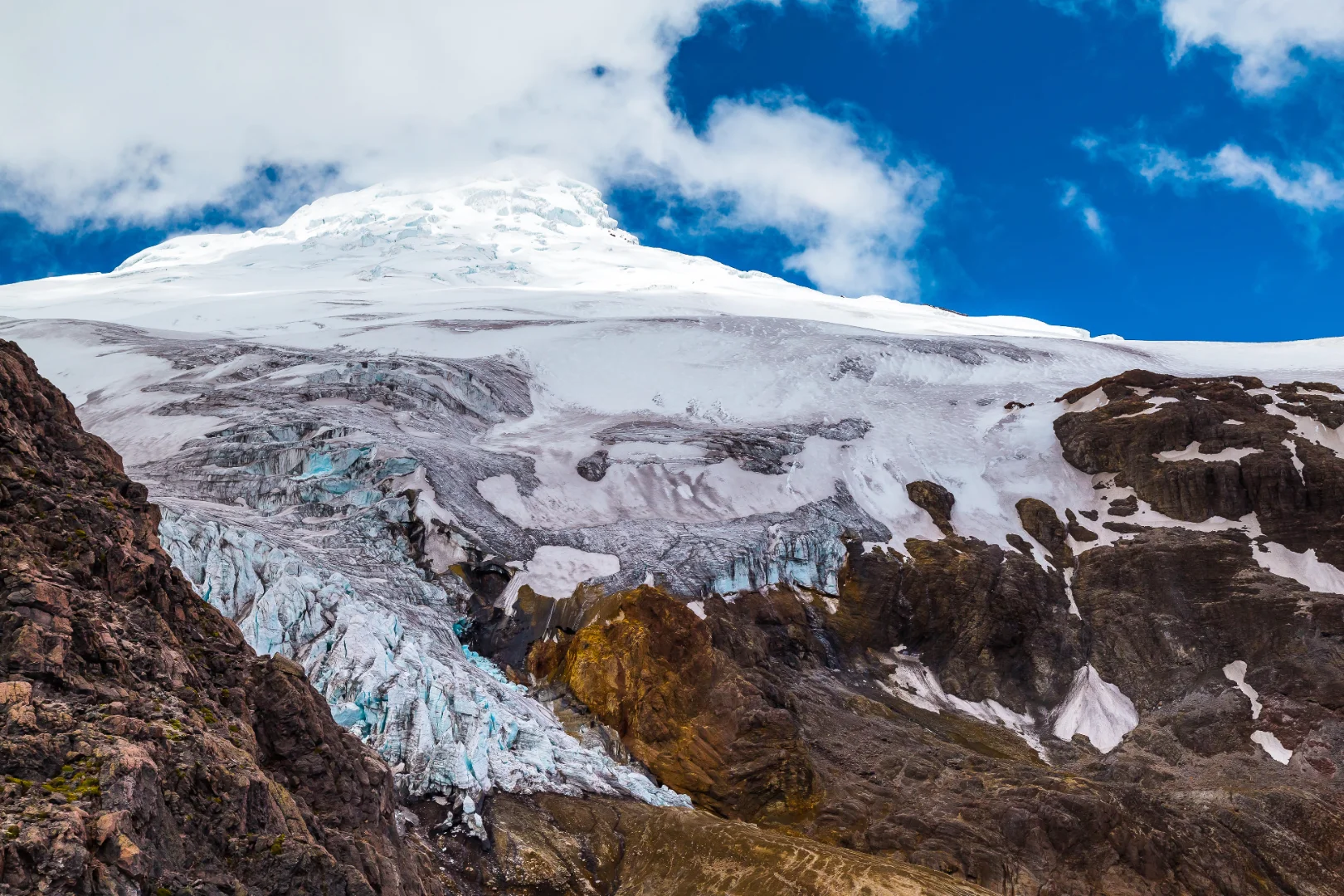
De magnifiques sentiers de randonnée en Équateur, adaptés aux randonneurs de tous niveaux
23/07/2026
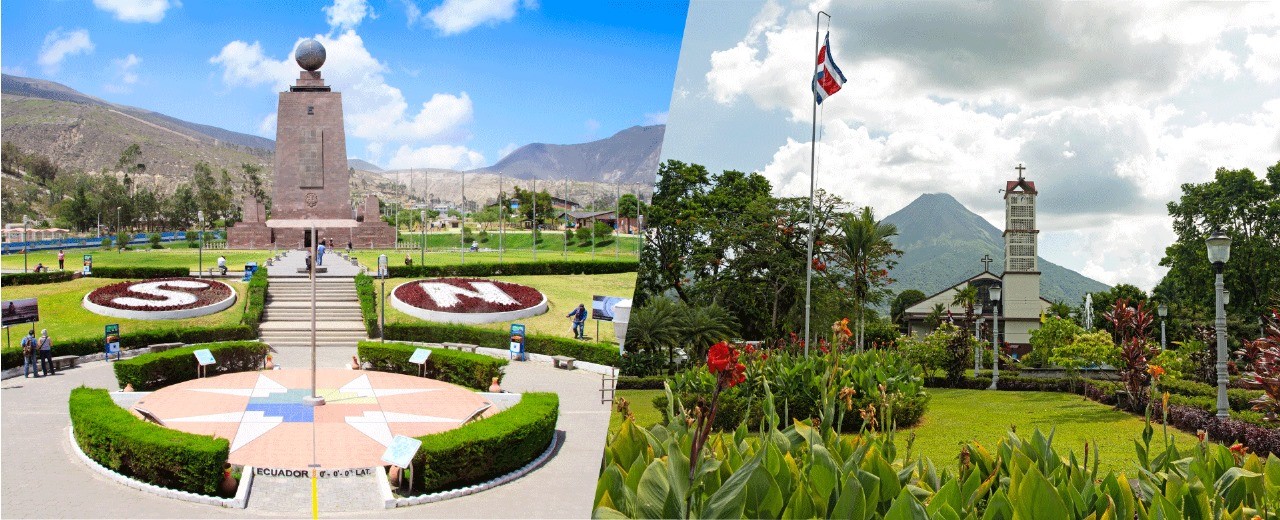
Costa Rica ou Équateur : quelle est la meilleure destination pour une aventure durable ?

16/07/2026
Feria de las Flores de Medellín : guide du festival et de la tradition des « silleteros »

14/07/2026
La « Ruta del Spondylus » en Équateur : le road trip côtier par excellence ?
14/07/2026
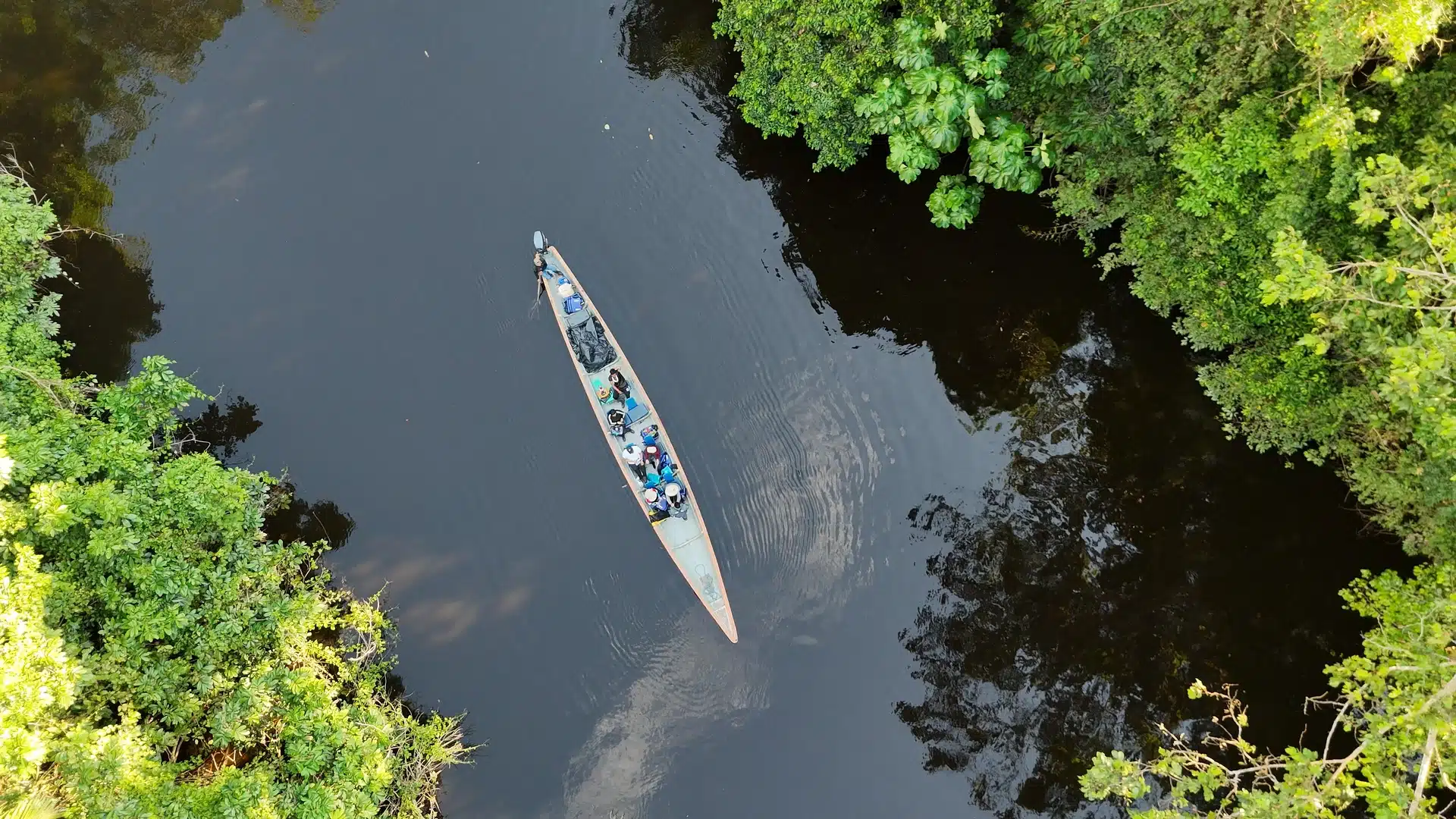
La réserve naturelle de Cuyabeno : une forêt tropicale équatorienne unique, peuplée de « killas »
Contenu le plus vu
13/07/2026
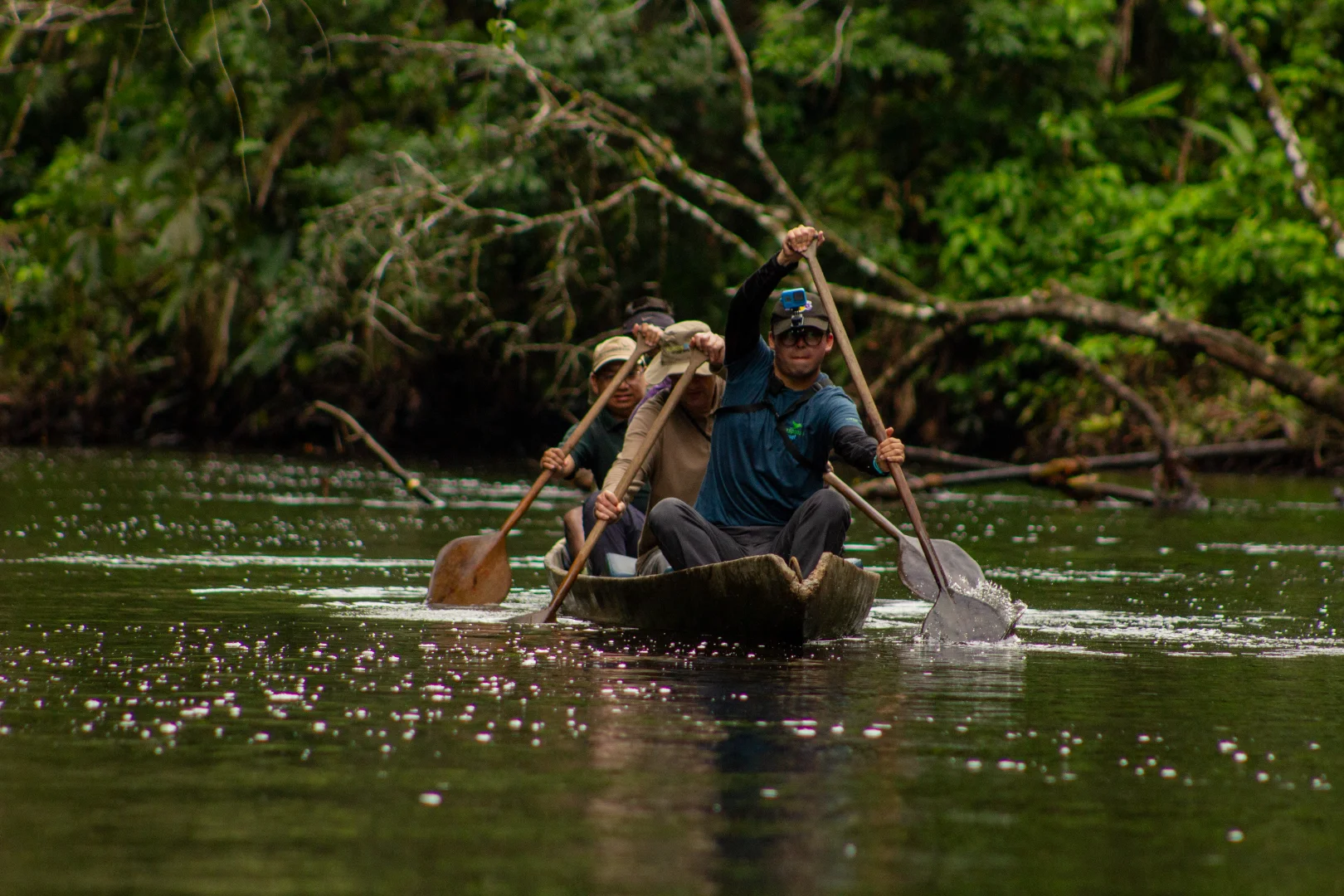
Les pirogues traditionnelles d’Amazonie et l’histoire de la Killas
06/07/2026
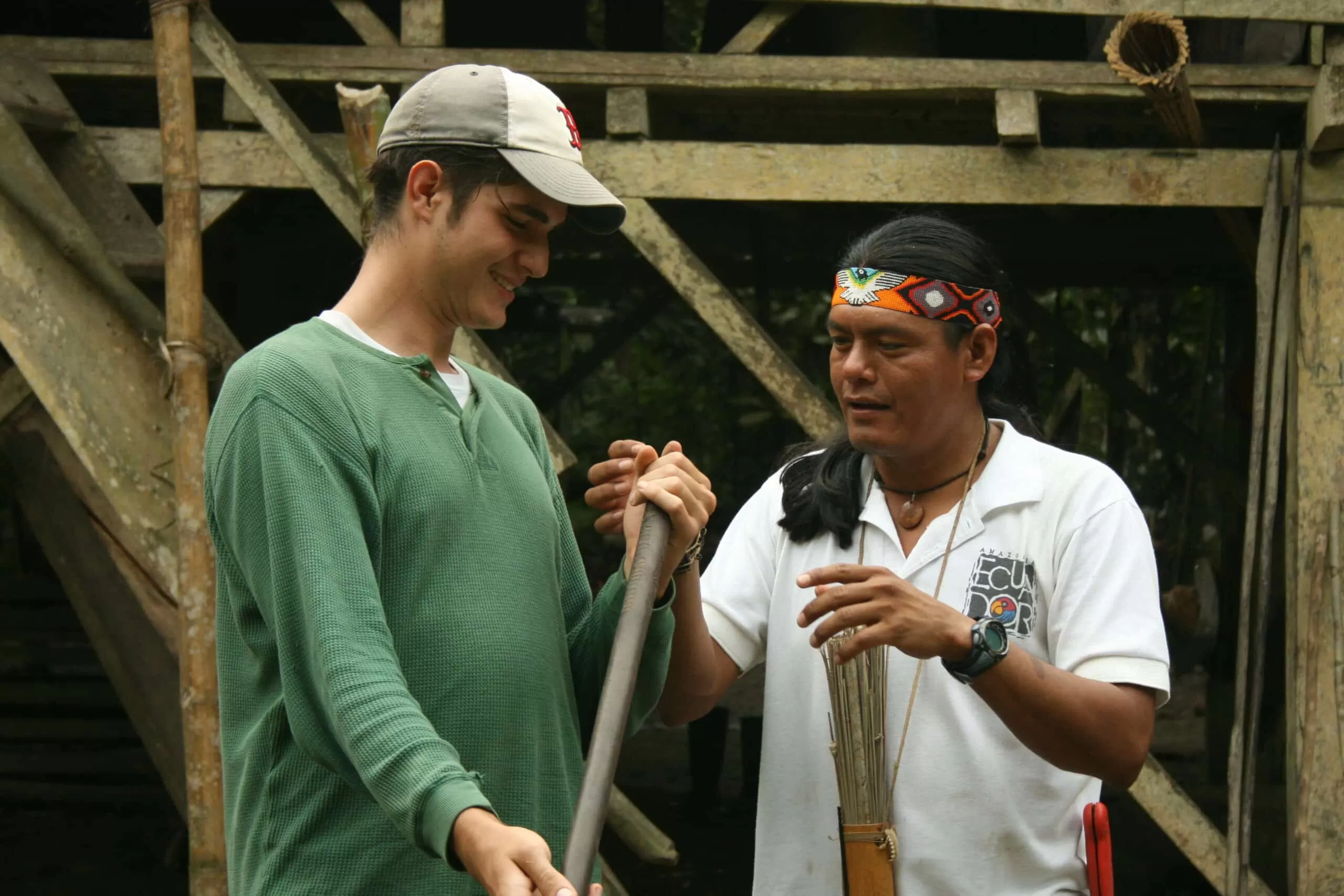
Pourquoi devriez-vous partir en voyage le jour de votre anniversaire ?

21/05/2026
Qu'est-ce que le « Día de los Muertos » en Équateur ?
21/05/2026
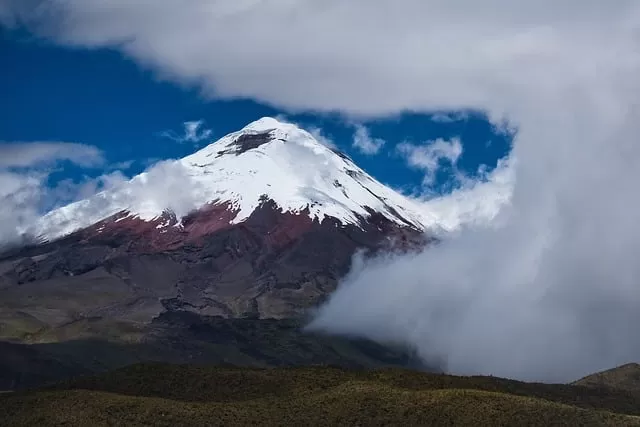
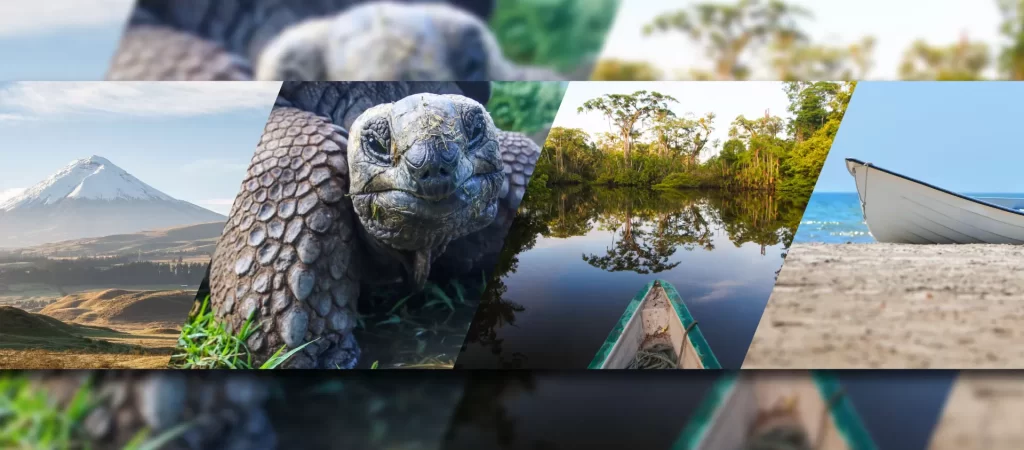
Chimborazo, Équateur, 2023 : la montagne que vous n'oublierez jamais
21/05/2026
Les meilleures destinations touristiques en Équateur pour 2023 et 2024
21/05/2026
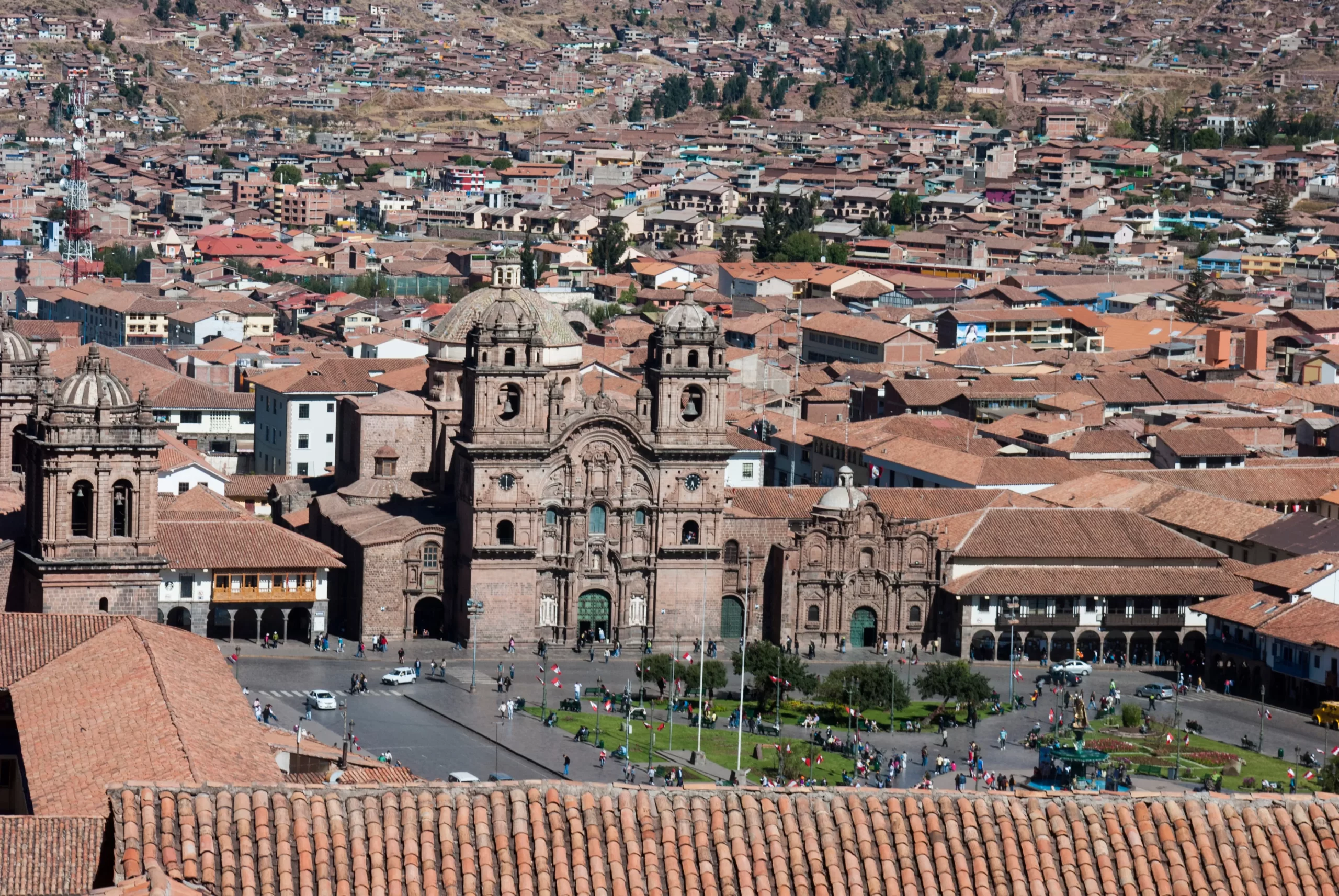
The Best Tourist Places to See in Cusco ?

A CULTURE IN DANGER OF EXTINCTION
Under this scenario, throughout the Amazon, there are around 70 uncontacted groups. Specifically in our country, there are 2 group´s of Woarani nationality: Tagaeri and Taromenane, with approximately 50 to 300 people, respectively. They are located in a protected area of Yasuní, which was legalized under a legal framework to protect their rights and guarantee their lives. Now, the case study of these
People isolate and avoid contact to maintain their culture. Many communities sought refuge and secluded themselves from religious and civil contact after the 1972 oil boom. This nomination claimed that their sociocultural reality may lead to demographic and identity assimilation among national communities despite their remoteness.
Considering this, several criteria are established to safeguard the lives of uncontacted communities:
THE IMPORTANCE OF CULTURAL CONSERVATION
The Tagaeri and Taromenane are vital to Ecuador’s cultural variety and environmental health. Ecuador’s identity would be lost if these communities disappeared, as they carry Amazonian vegetation and animals.
THREATS TO VOLUNTARY ISOLATION

One of the threats that communities face is illegal logging, deforestation and mining in the Amazon. All of these factors devastate the natural habitat and put the isolation of these communities at direct risk. Frequently, these industrial interests cross the limits of protected areas, even in the intangible Yasuní region. Which causes the uncontacted to move to other indigenous territories.
These problems related to involuntary contact with external individuals could put these groups at risk for immune diseases. Additionally, disputes have arisen between isolated communities and other jungle residents, usually linked to the use of natural resources.
UNCONTACTED PEOPLES IN THE AMAZON
It is crucial to raise awareness about the situation of these groups and support initiatives that promote their protection based on a participatory process. In order to preserve these unique ecosystems and protect their cultures, which depend on them.
The Ecuadorian Amazon has approximately 1022736 hectares; this biosphere reserve has many more secrets to share. Apart from the ecotourism that takes place within this exuberant area, we can find contacted communities or indigenous peoples (Siona, Kichwau… etc.), which seek sustainable change through tourism. However, this article will focus on the study of uncontacted groups, which also give importance and culture within this ecosystem.
A CULTURE IN DANGER OF EXTINCTION
Under this scenario, throughout the Amazon, there are around 70 uncontacted groups. Specifically in our country, there are 2 group´s of Woarani nationality: Tagaeri and Taromenane, with approximately 50 to 300 people, respectively. They are located in a protected area of Yasuní, which was legalized under a legal framework to protect their rights and guarantee their lives. Now, the case study of these
People isolate and avoid contact to maintain their culture. Many communities sought refuge and secluded themselves from religious and civil contact after the 1972 oil boom. This nomination claimed that their sociocultural reality may lead to demographic and identity assimilation among national communities despite their remoteness.
Considering this, several criteria are established to safeguard the lives of uncontacted communities:
THE IMPORTANCE OF CULTURAL CONSERVATION
The Tagaeri and Taromenane are vital to Ecuador’s cultural variety and environmental health. Ecuador’s identity would be lost if these communities disappeared, as they carry Amazonian vegetation and animals.
THREATS TO VOLUNTARY ISOLATION
One of the threats that communities face is illegal logging, deforestation and mining in the Amazon. All of these factors devastate the natural habitat and put the isolation of these communities at direct risk. Frequently, these industrial interests cross the limits of protected areas, even in the intangible Yasuní region. Which causes the uncontacted to move to other indigenous territories.
These problems related to involuntary contact with external individuals could put these groups at risk for immune diseases. Additionally, disputes have arisen between isolated communities and other jungle residents, usually linked to the use of natural resources.
UNCONTACTED PEOPLES IN THE AMAZON
It is crucial to raise awareness about the situation of these groups and support initiatives that promote their protection based on a participatory process. In order to preserve these unique ecosystems and protect their cultures, which depend on them.
Explorez nos dernières nouvelles
18/09/2026
Cinq animaux fascinants de Bolivie : découvrez le chat Tilcayo et d’autres espèces difficiles à observer
04/08/2026
Huasquila Amazon Lodge : Situation, accès et activités
03/08/2026
Parc national d'Antisana : volcan, faune sauvage et La Mica
29/07/2026
Les chamans en Équateur : un voyage au cœur de la sagesse amazonienne
27/07/2026
À la découverte de la tribu des Waorani : le bouclier de l'Amazonie
24/07/2026
Quelles îles Darwin a-t-il visitées au cours de son expédition ?
Contenu le mieux noté
24/07/2026
Les grands lacs et lagunes d'Amérique du Sud : des paysages riches en histoire, en culture et en nature
24/07/2026
De magnifiques sentiers de randonnée en Équateur, adaptés aux randonneurs de tous niveaux
23/07/2026
Costa Rica ou Équateur : quelle est la meilleure destination pour une aventure durable ?
16/07/2026
Feria de las Flores de Medellín : guide du festival et de la tradition des « silleteros »
14/07/2026
La « Ruta del Spondylus » en Équateur : le road trip côtier par excellence ?
14/07/2026
La réserve naturelle de Cuyabeno : une forêt tropicale équatorienne unique, peuplée de « killas »
Contenu le plus vu
13/07/2026
Les pirogues traditionnelles d’Amazonie et l’histoire de la Killas
06/07/2026
Pourquoi devriez-vous partir en voyage le jour de votre anniversaire ?
21/05/2026
Qu'est-ce que le « Día de los Muertos » en Équateur ?
21/05/2026
Chimborazo, Équateur, 2023 : la montagne que vous n'oublierez jamais
21/05/2026
Les meilleures destinations touristiques en Équateur pour 2023 et 2024
21/05/2026
The Best Tourist Places to See in Cusco ?