

This project was born to preserve the ecosystem of the Andes through ecotourism and provide a warm experience to the visitor through its hospitality and service. Polylepis lodge focuses on generating environmental responsibility through the connection between education, individuals, and sustainable practices.
Esplora le nostre ultime notizie
18/09/2026
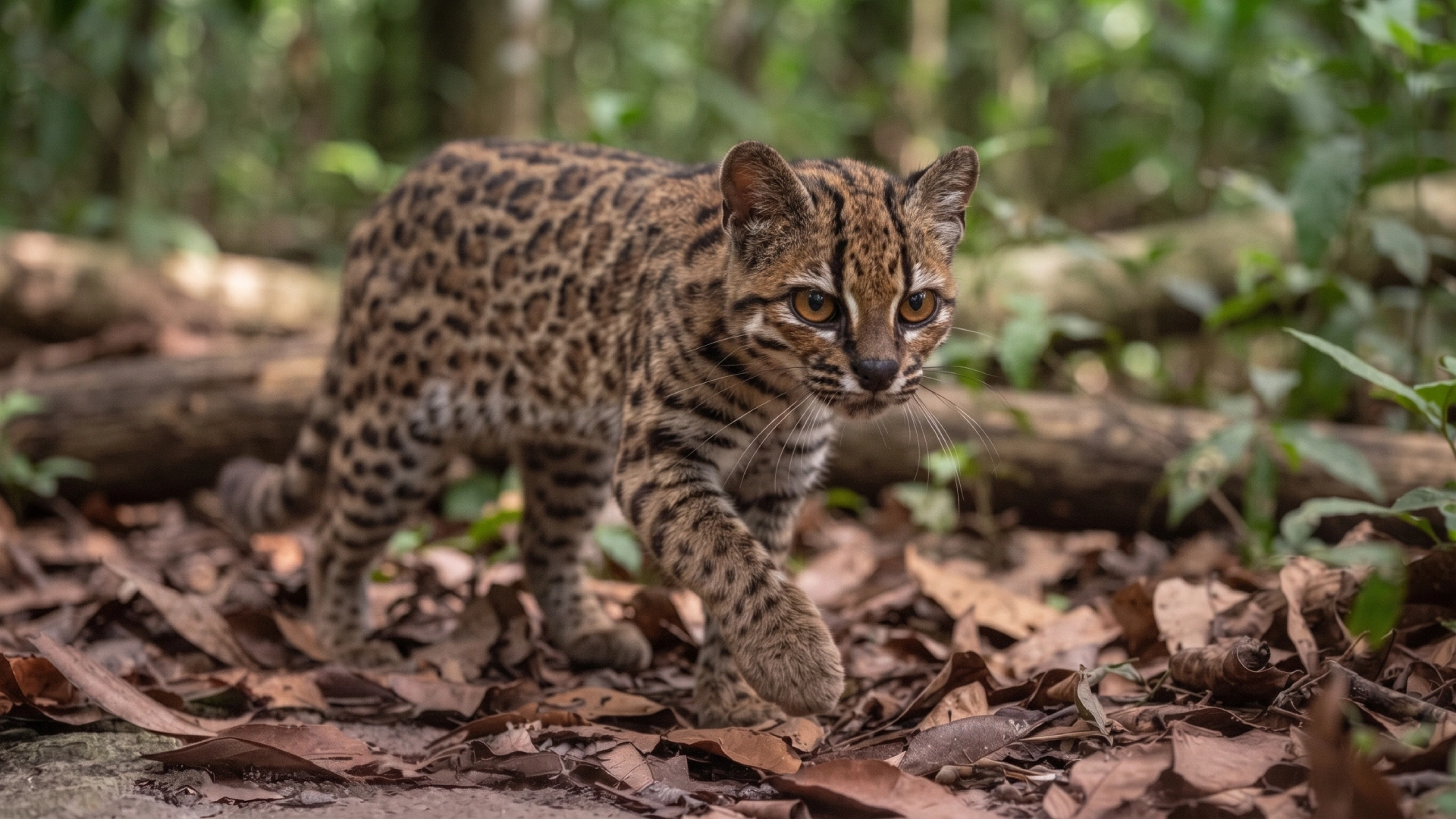
Cinque animali sorprendenti della Bolivia: scopri il gatto Tilcayo e altre specie difficili da avvistare

04/08/2026
Huasquila Amazon Lodge: posizione, come arrivare e attività
03/08/2026
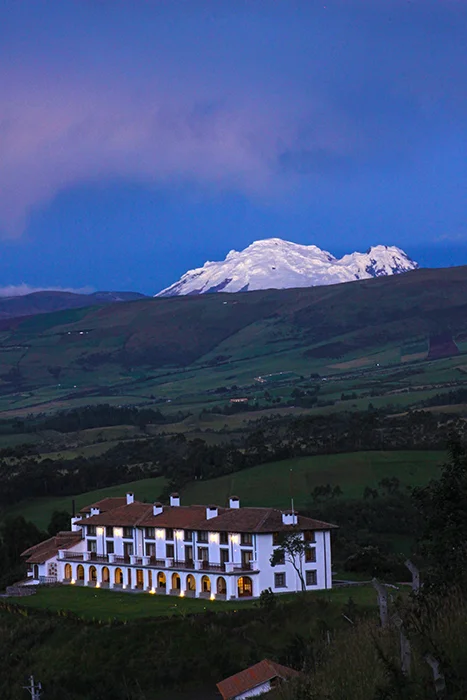
Parco Nazionale di Antisana: vulcano, fauna selvatica e La Mica
29/07/2026
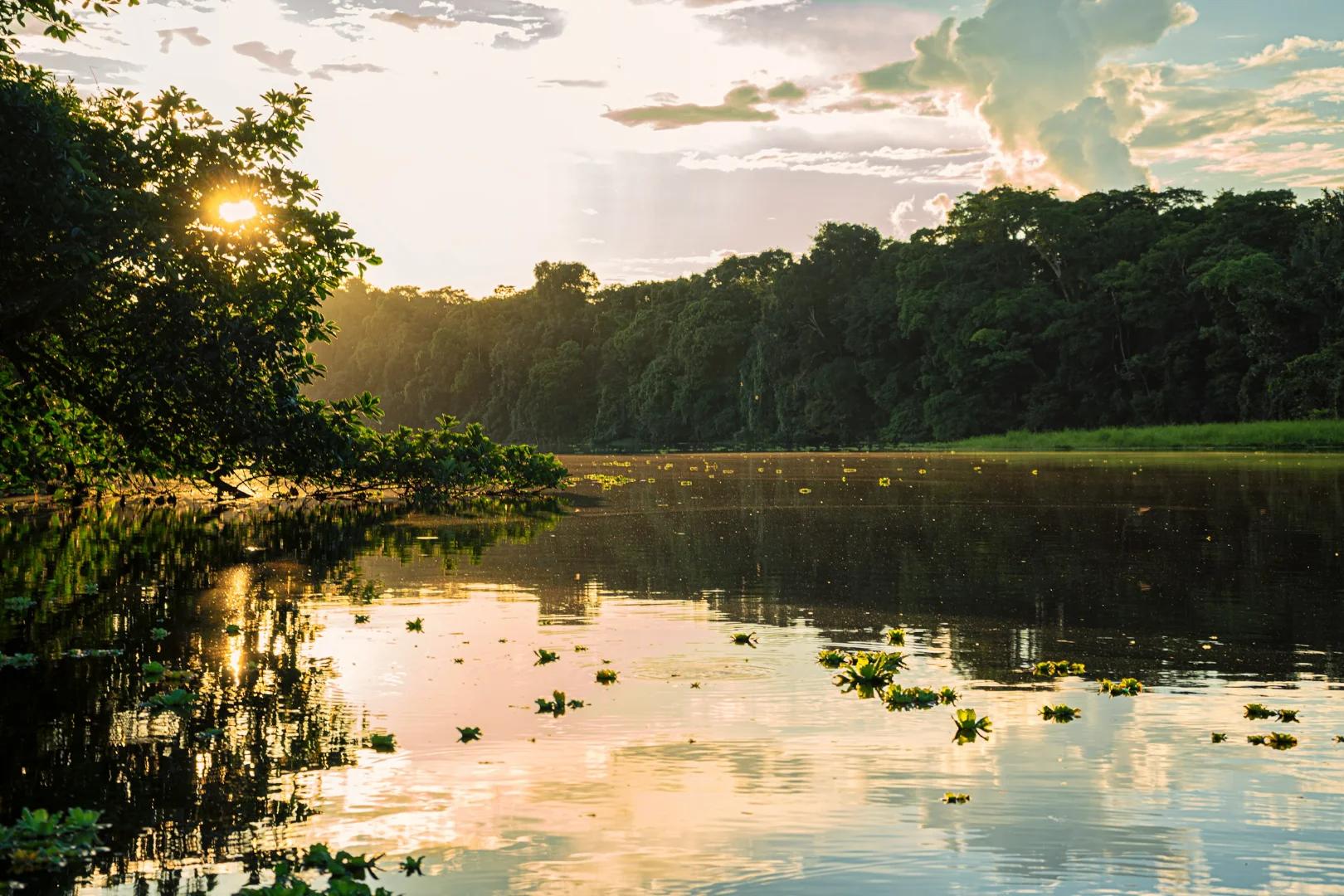
Sciamani in Ecuador: un viaggio nel cuore della saggezza amazzonica
27/07/2026
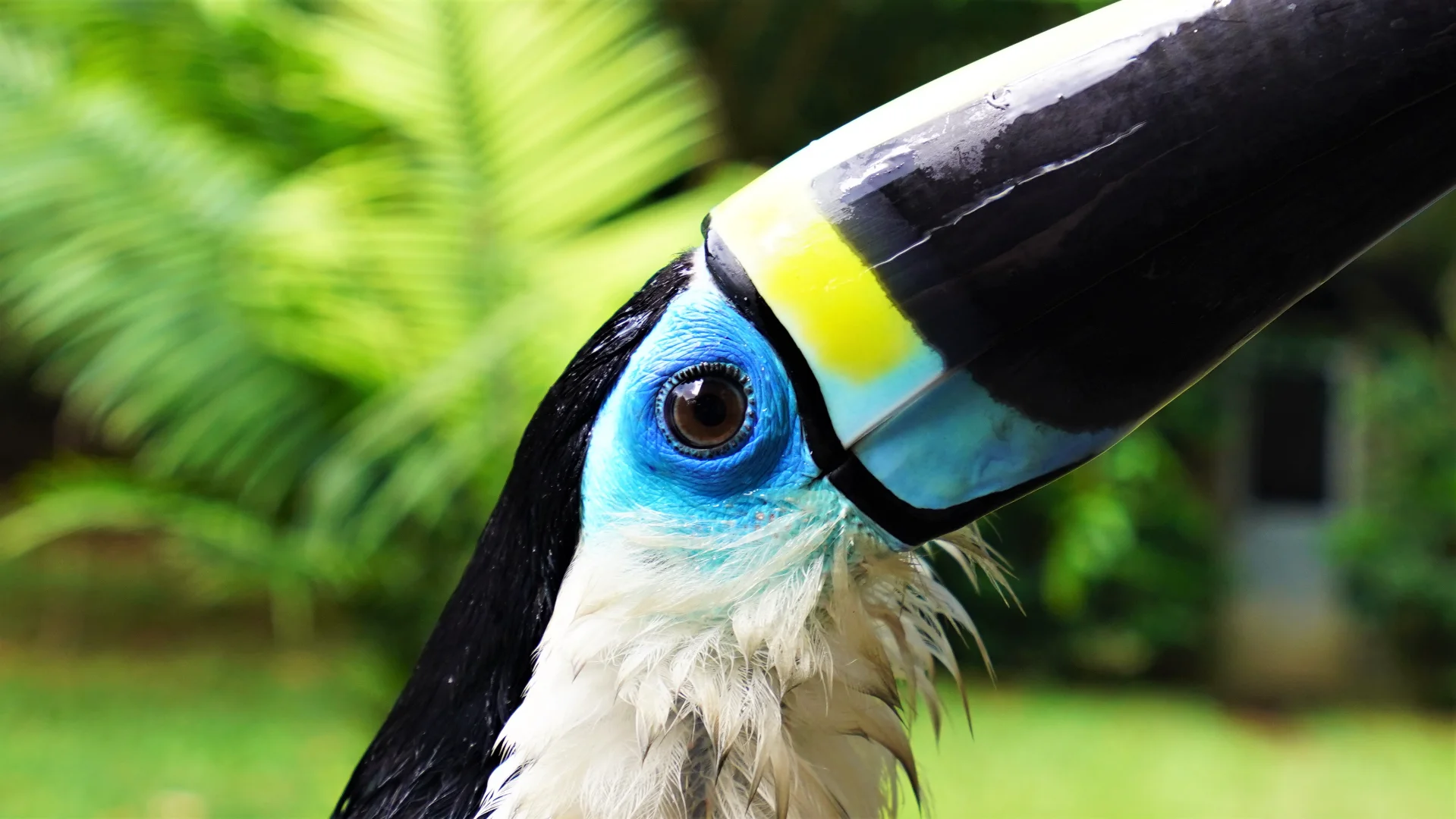
Alla scoperta della tribù dei Waorani: Lo scudo dell’Amazzonia
24/07/2026
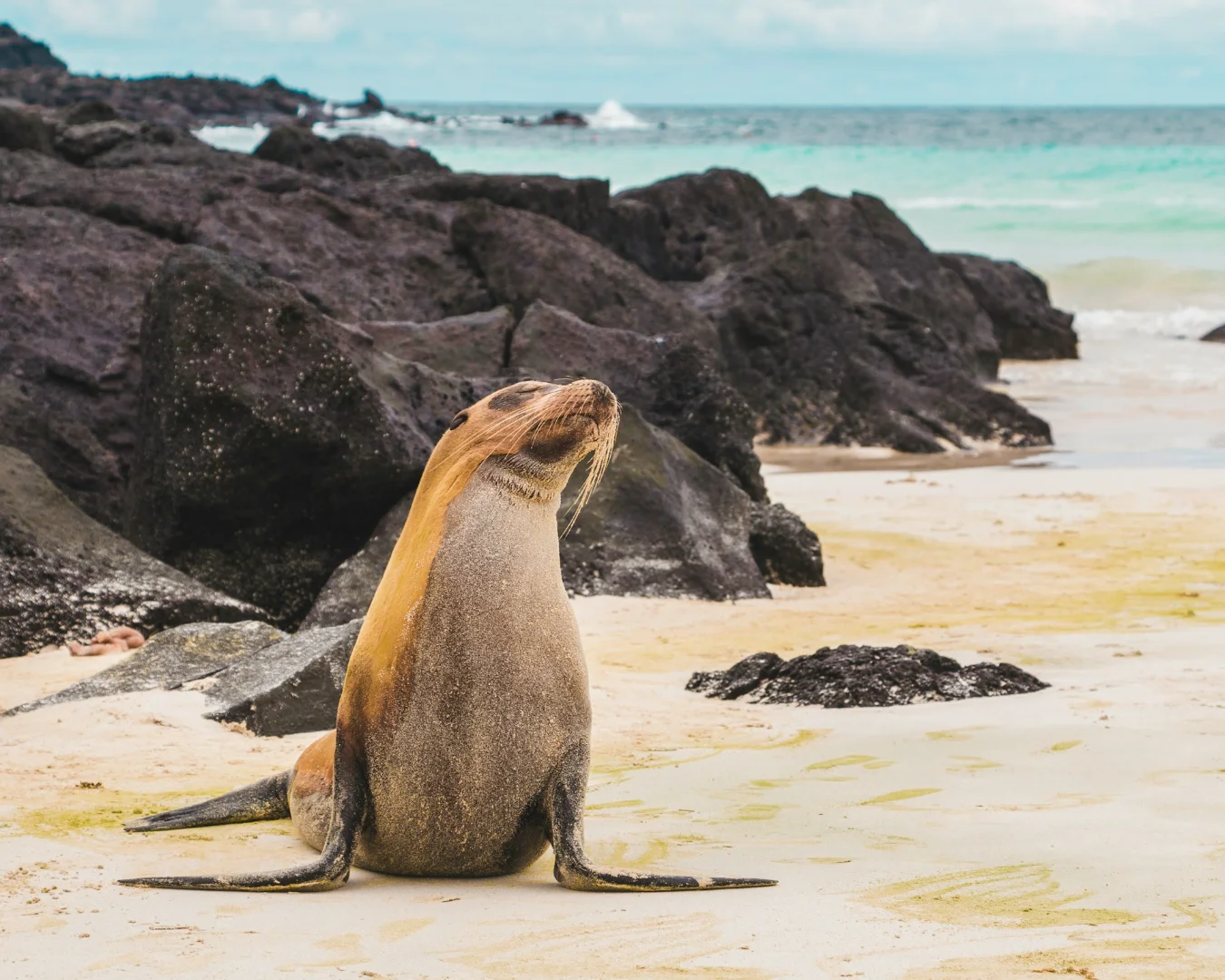
Quali isole visitò Darwin durante la sua spedizione?
Contenuti più votati
24/07/2026
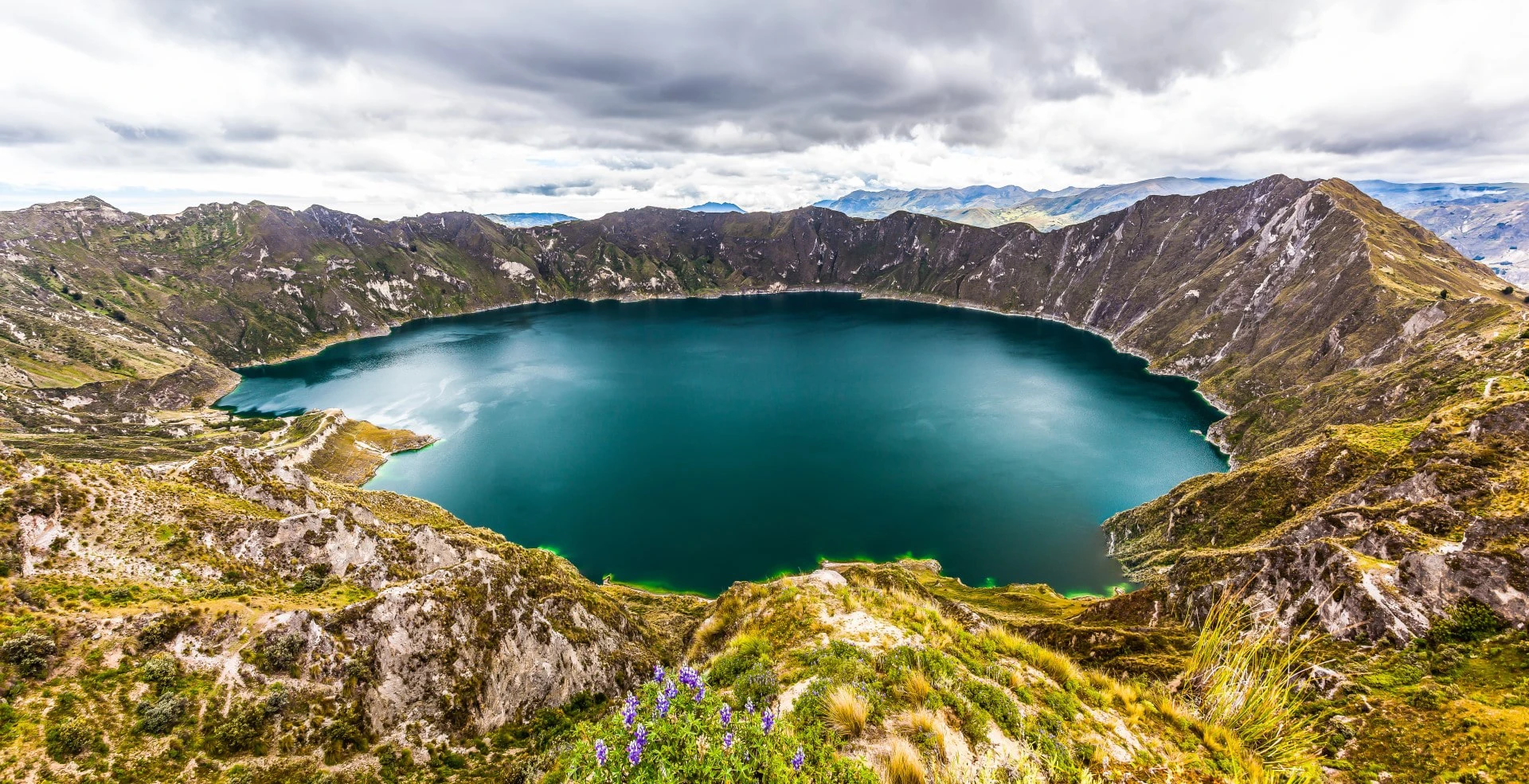
I Grandi Laghi e le lagune del Sudamerica: paesaggi ricchi di storia, cultura e natura
24/07/2026
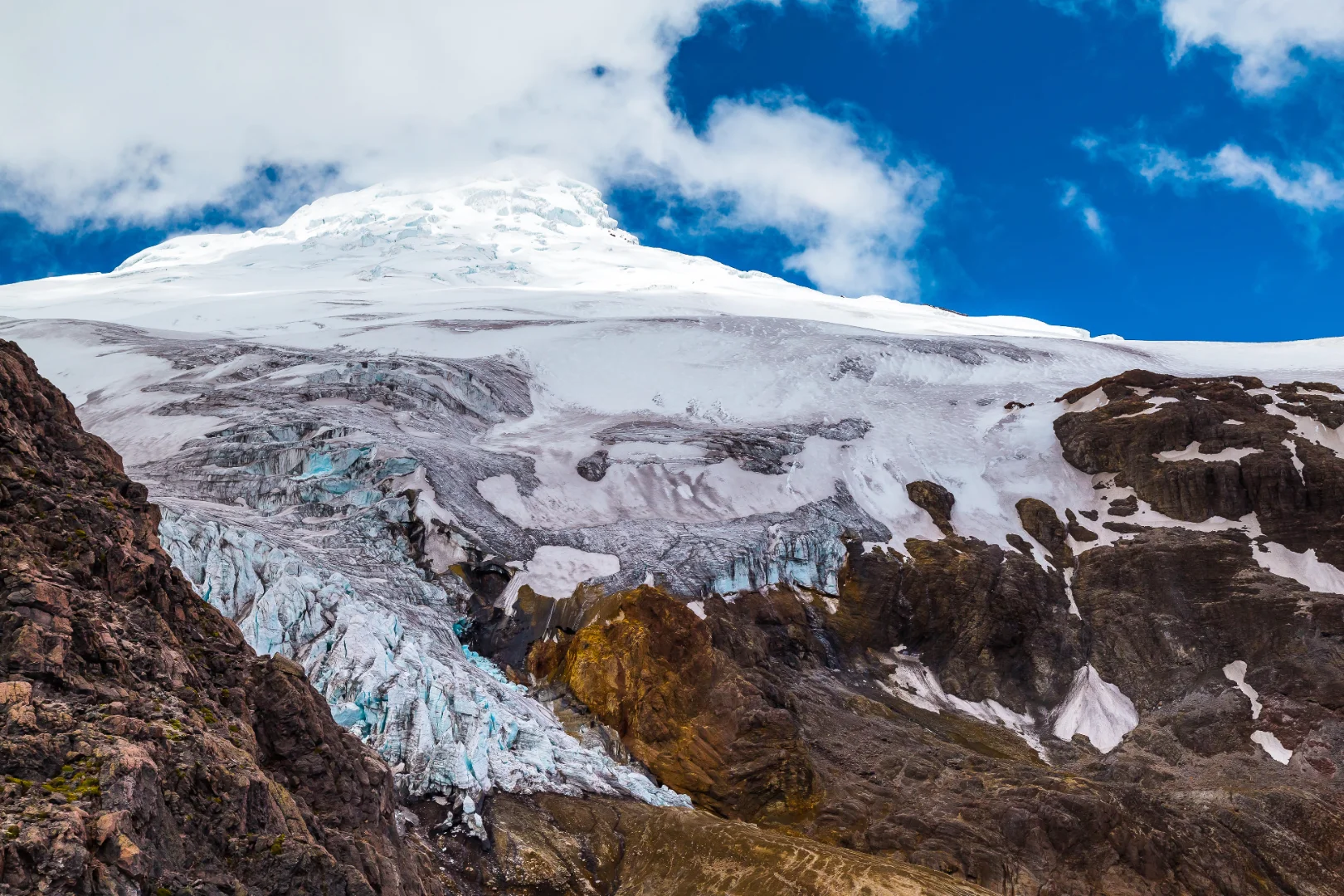
Meravigliosi sentieri escursionistici in Ecuador, adatti a escursionisti di ogni livello
23/07/2026
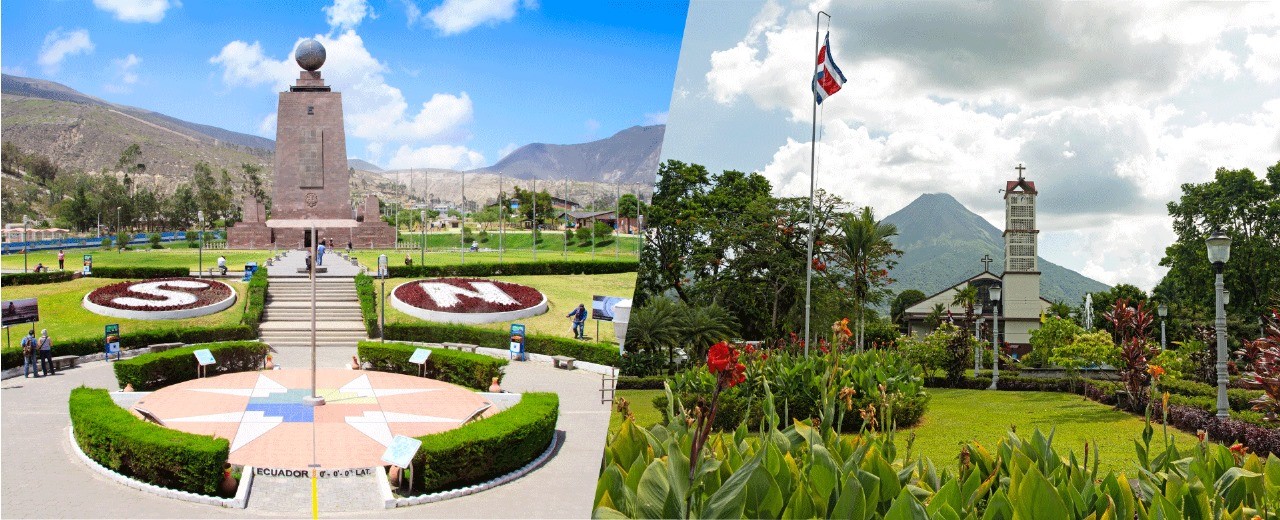
Costa Rica contro Ecuador: quale delle due è la scelta migliore per un’avventura sostenibile?

16/07/2026
Feria de las Flores di Medellín: guida al festival e alla tradizione dei silleteros

14/07/2026
Ruta del Spondylus in Ecuador: il viaggio on the road lungo la costa per eccellenza?
14/07/2026
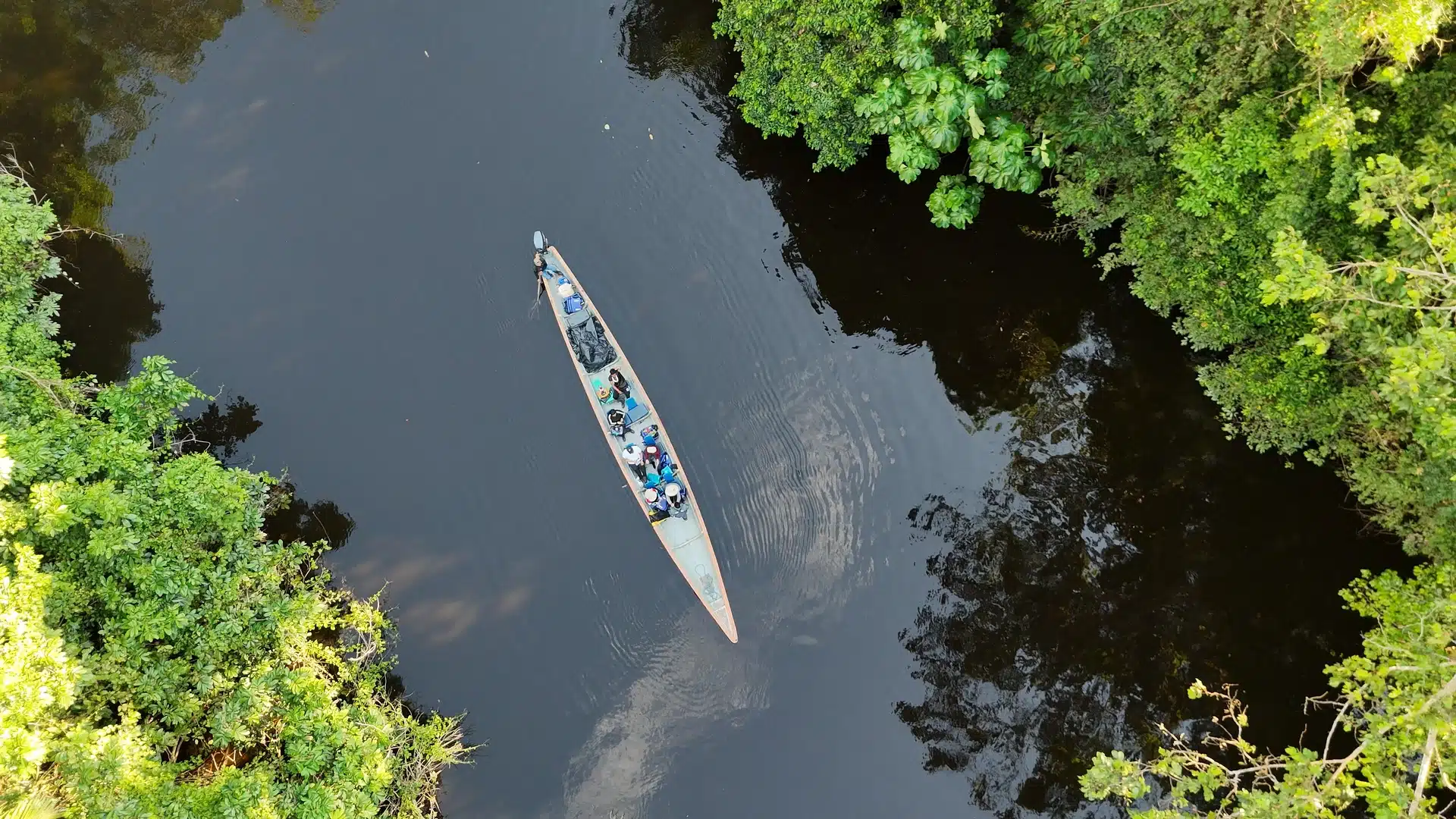
La Riserva Naturale di Cuyabeno: una foresta pluviale ecuadoriana unica nel suo genere, ricca di "killas"
Contenuti più visti
13/07/2026
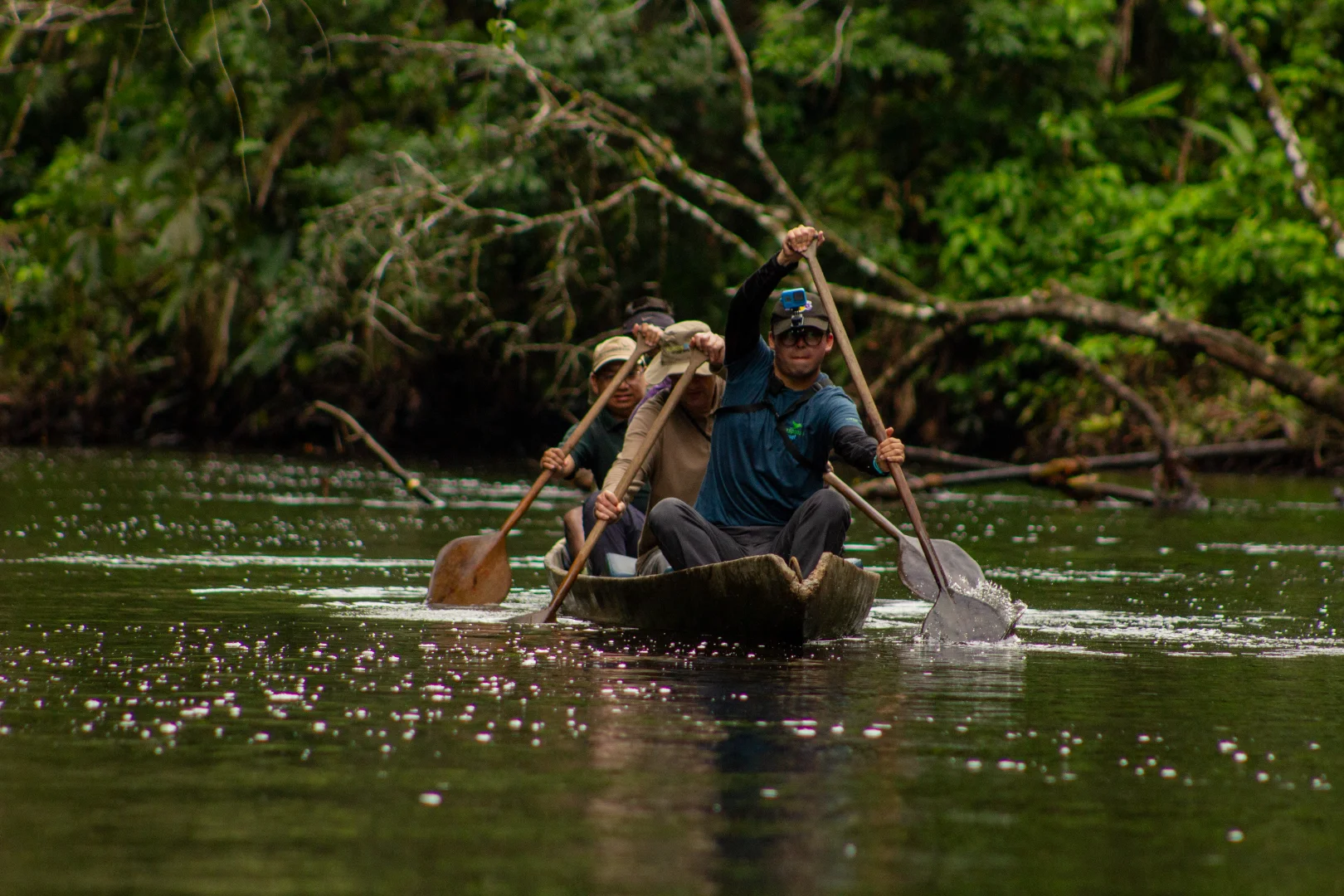
Canoe tradizionali dell’Amazzonia e la storia della Killas
06/07/2026
Perché viaggiare il giorno del proprio compleanno è una cosa che dovresti fare?

21/05/2026
Che cos’è il “Día de los Muertos” in Ecuador?
21/05/2026
Chimborazo, Ecuador 2023: la montagna che non dimenticherai mai
21/05/2026
Le principali destinazioni turistiche dell'Ecuador per il 2023 e il 2024
21/05/2026
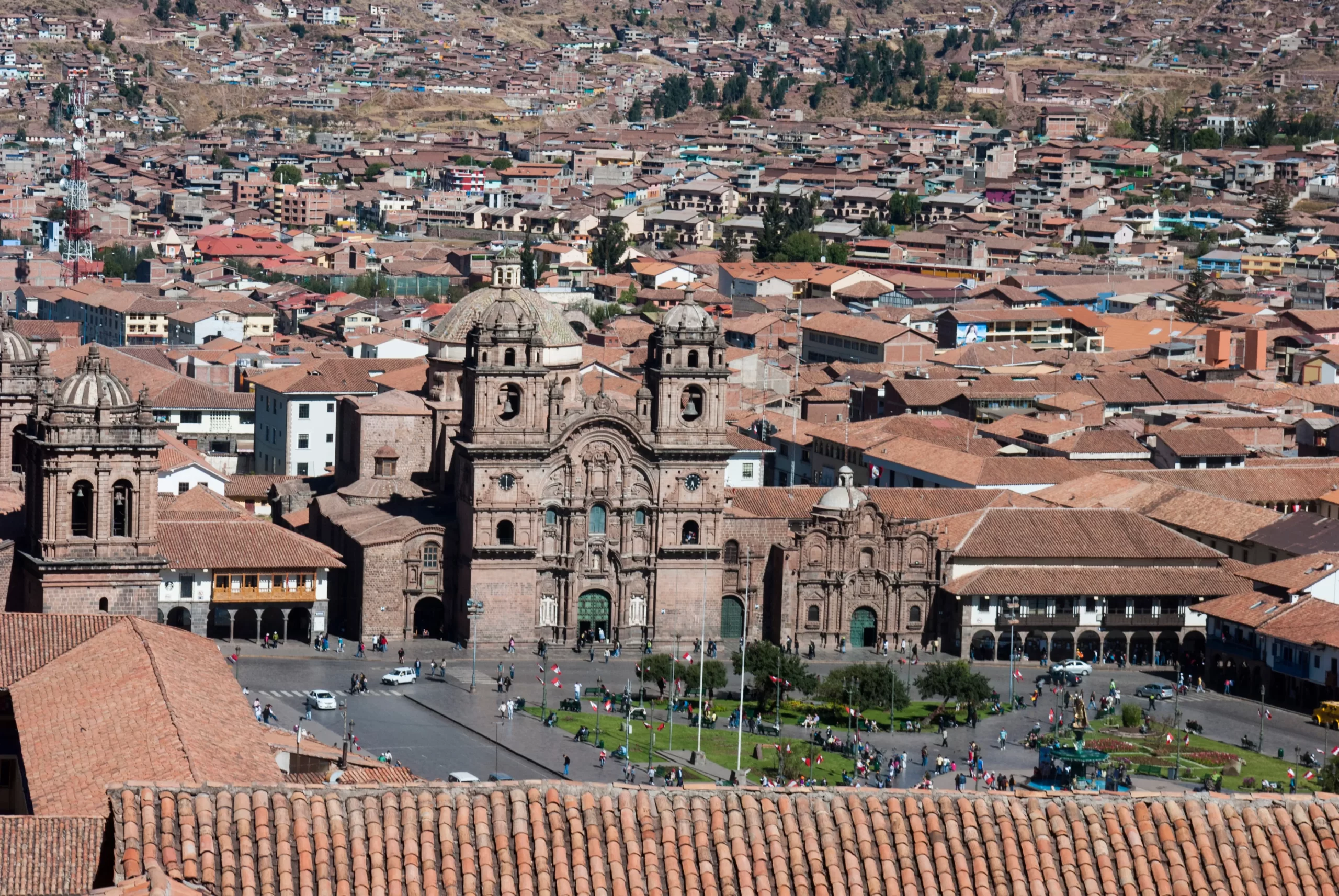
The Best Tourist Places to See in Cusco ?

LOCATION
- The lodge lies in the Andean region, about 3 hours from the city of Quito.
- A private reserve is where it is located, adjacent to the El Angel Ecological Reserve.
BIODIVERSITY
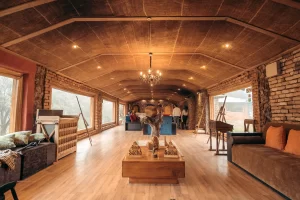
Being located in a wilderness area, the lodge offers a different environment that combines nature and culture.
- In the natural aspect, there exists a primary forest that represents the union of the Polylepis and the Frailejones moorland.
- On the other hand, the culture that emerges in this place makes it a center for research and safeguarding of objects, managing to find vestiges of the Pasto culture.
IMPORTANT ASPECTS OF POLYLEPIS LODGE
- Inside the lodge, you can carry out activities like hiking, horseback riding, hiking, bird watching, and research related to the biology of the area as well as that of the Ecological Reserve.
- The lodge stands out in gastronomy by utilizing local products, resulting in a mestizo fusion cuisine that features ingredients such as potatoes, oca, barley, and quinoa, among others.
- Several investigations have been carried out on the culture within the area. The lodge offers the possibility of visiting several museums that enhance this educational scope, including the Archaeological Museum “Pastos” (the largest in the north of the country), the Museum of Biology “Teska-Brito,” and the Living Natural Museum “Reserva Ecológica de El Ángel.”
- Sustainability is an important factor for the lodge. Consequently, the social aspect and education enhance this factor, fostering a new experience for visitors.
In short, the Polylepis lodge offers tranquility and adventure through environmental education based on the natural environment, peace, and comfort.
This project was born to preserve the ecosystem of the Andes through ecotourism and provide a warm experience to the visitor through its hospitality and service. Polylepis lodge focuses on generating environmental responsibility through the connection between education, individuals, and sustainable practices.
LOCATION
- The lodge lies in the Andean region, about 3 hours from the city of Quito.
- A private reserve is where it is located, adjacent to the El Angel Ecological Reserve.
BIODIVERSITY
Being located in a wilderness area, the lodge offers a different environment that combines nature and culture.
- In the natural aspect, there exists a primary forest that represents the union of the Polylepis and the Frailejones moorland.
- On the other hand, the culture that emerges in this place makes it a center for research and safeguarding of objects, managing to find vestiges of the Pasto culture.
IMPORTANT ASPECTS OF POLYLEPIS LODGE
- Inside the lodge, you can carry out activities like hiking, horseback riding, hiking, bird watching, and research related to the biology of the area as well as that of the Ecological Reserve.
- The lodge stands out in gastronomy by utilizing local products, resulting in a mestizo fusion cuisine that features ingredients such as potatoes, oca, barley, and quinoa, among others.
- Several investigations have been carried out on the culture within the area. The lodge offers the possibility of visiting several museums that enhance this educational scope, including the Archaeological Museum “Pastos” (the largest in the north of the country), the Museum of Biology “Teska-Brito,” and the Living Natural Museum “Reserva Ecológica de El Ángel.”
- Sustainability is an important factor for the lodge. Consequently, the social aspect and education enhance this factor, fostering a new experience for visitors.
In short, the Polylepis lodge offers tranquility and adventure through environmental education based on the natural environment, peace, and comfort.
Esplora le nostre ultime notizie
18/09/2026
Cinque animali sorprendenti della Bolivia: scopri il gatto Tilcayo e altre specie difficili da avvistare
04/08/2026
Huasquila Amazon Lodge: posizione, come arrivare e attività
03/08/2026
Parco Nazionale di Antisana: vulcano, fauna selvatica e La Mica
29/07/2026
Sciamani in Ecuador: un viaggio nel cuore della saggezza amazzonica
27/07/2026
Alla scoperta della tribù dei Waorani: Lo scudo dell’Amazzonia
24/07/2026
Quali isole visitò Darwin durante la sua spedizione?
Contenuti più votati
24/07/2026
I Grandi Laghi e le lagune del Sudamerica: paesaggi ricchi di storia, cultura e natura
24/07/2026
Meravigliosi sentieri escursionistici in Ecuador, adatti a escursionisti di ogni livello
23/07/2026
Costa Rica contro Ecuador: quale delle due è la scelta migliore per un’avventura sostenibile?
16/07/2026
Feria de las Flores di Medellín: guida al festival e alla tradizione dei silleteros
14/07/2026
Ruta del Spondylus in Ecuador: il viaggio on the road lungo la costa per eccellenza?
14/07/2026
La Riserva Naturale di Cuyabeno: una foresta pluviale ecuadoriana unica nel suo genere, ricca di "killas"
Contenuti più visti
13/07/2026
Canoe tradizionali dell’Amazzonia e la storia della Killas
06/07/2026
Perché viaggiare il giorno del proprio compleanno è una cosa che dovresti fare?
21/05/2026
Che cos’è il “Día de los Muertos” in Ecuador?
21/05/2026
Chimborazo, Ecuador 2023: la montagna che non dimenticherai mai
21/05/2026
Le principali destinazioni turistiche dell'Ecuador per il 2023 e il 2024
21/05/2026
The Best Tourist Places to See in Cusco ?