

Explore nossas últimas notícias

04/08/2026
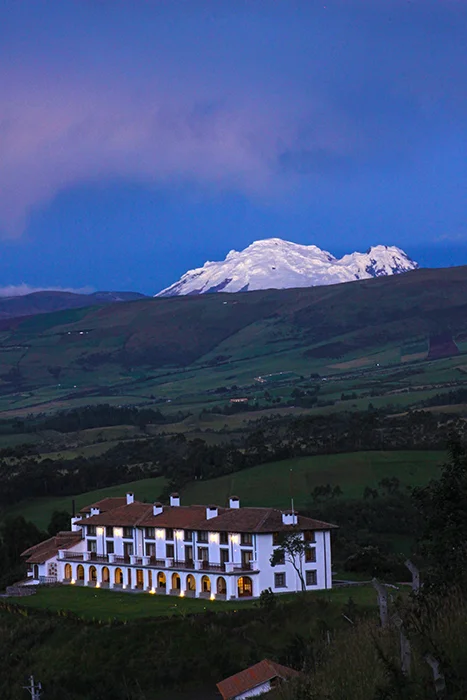
Huasquila Amazon Lodge: Localização, Acesso e Atividades
03/08/2026
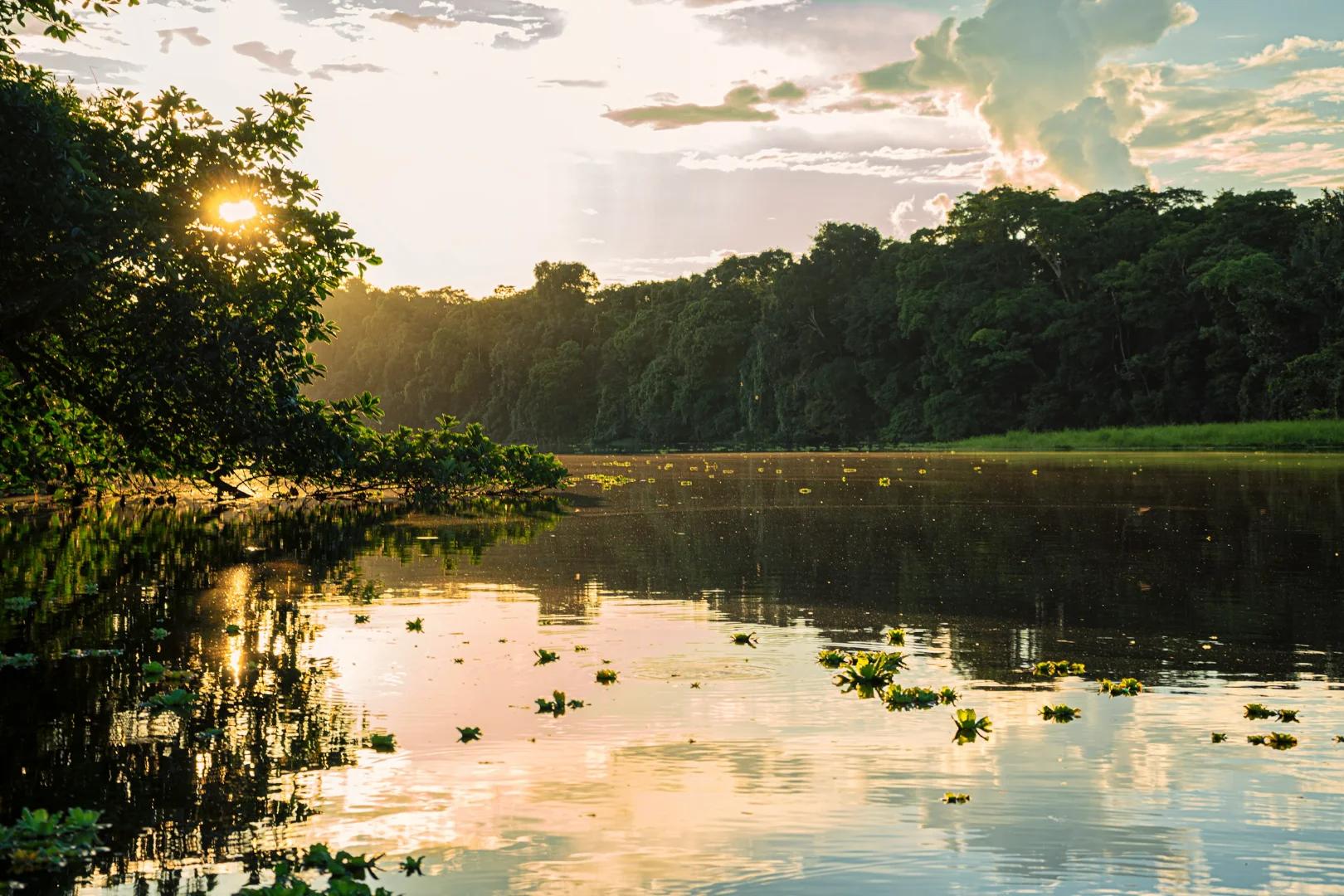
Parque Nacional de Antisana: Vulcão, vida selvagem e La Mica
29/07/2026
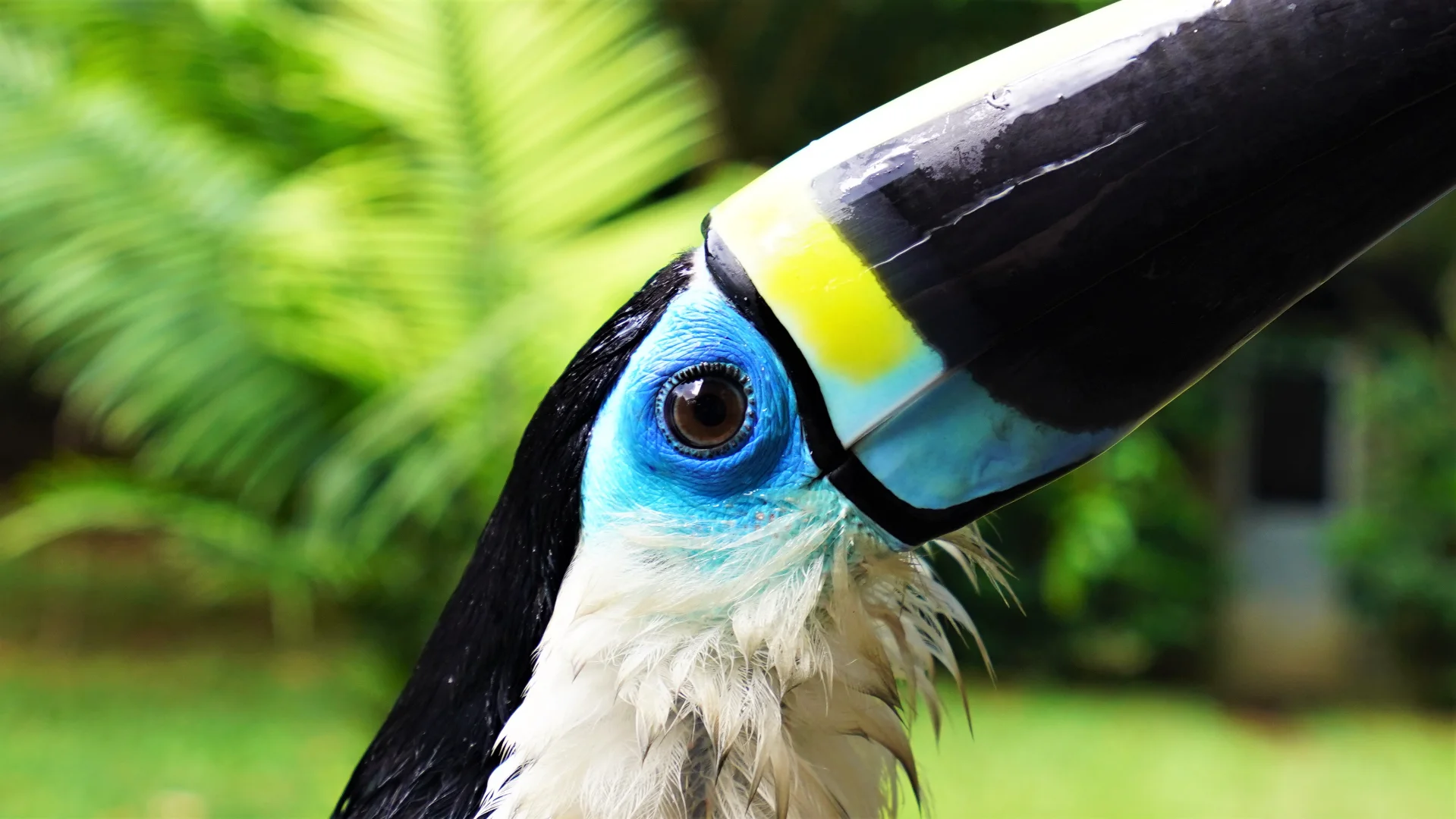
Xamãs no Equador: Uma viagem ao coração da sabedoria amazónica
27/07/2026
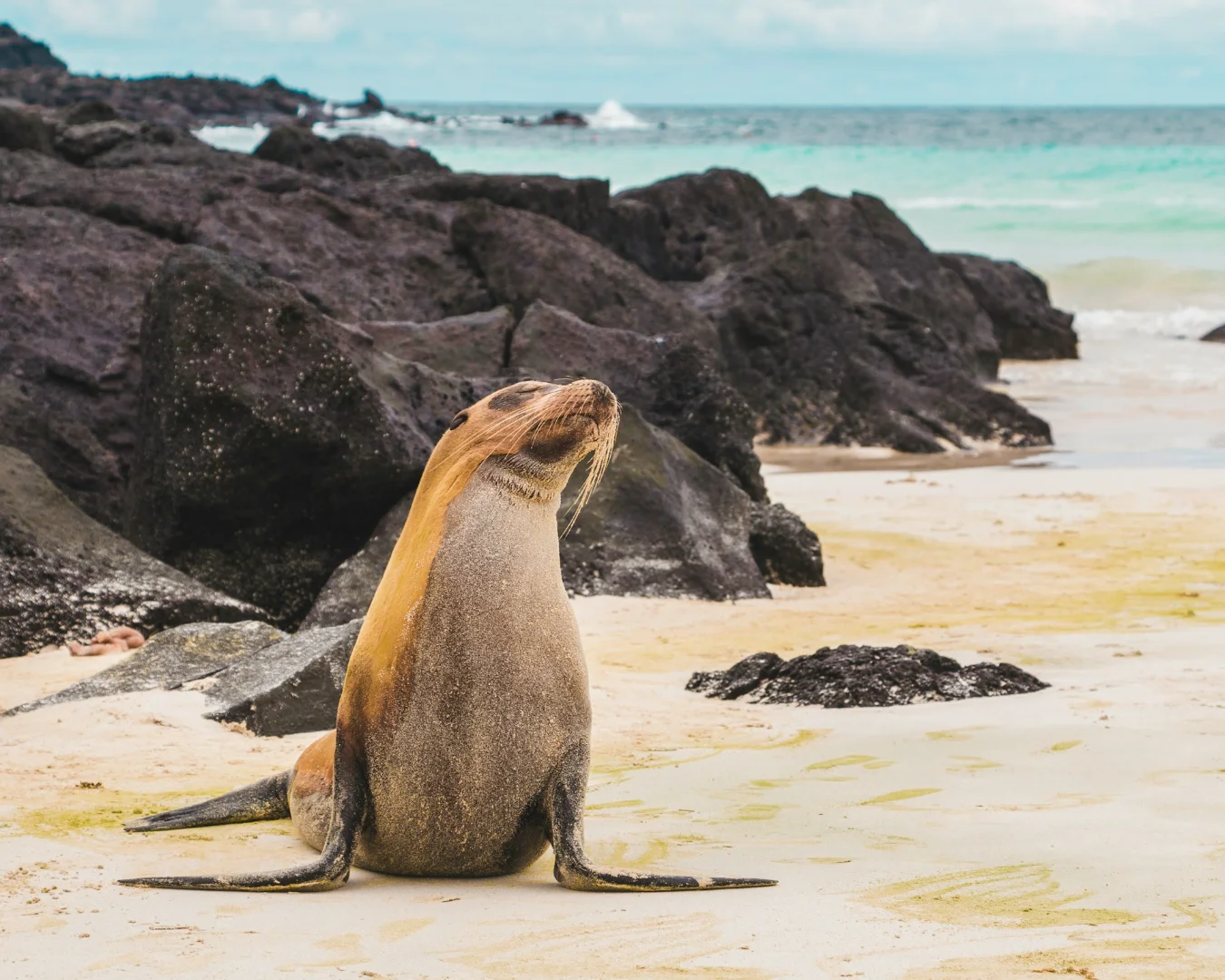
À descoberta da tribo Waorani: O Escudo da Amazónia
24/07/2026
Que ilhas visitou Darwin durante a sua exploração?
24/07/2026
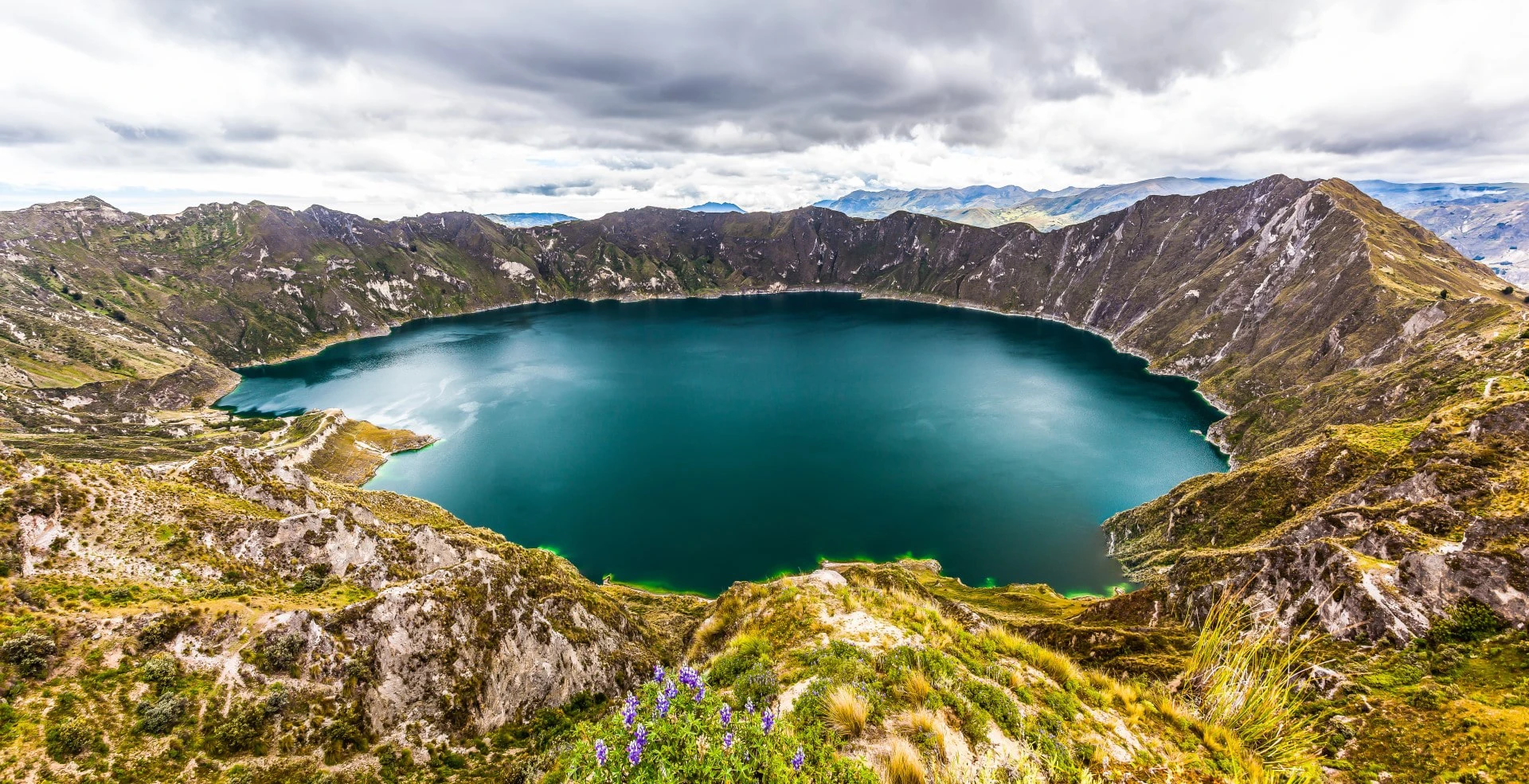
Os Grandes Lagos e Lagoas da América do Sul: Paisagens Ricas em História, Cultura e Natureza
Conteúdo melhor avaliado
24/07/2026
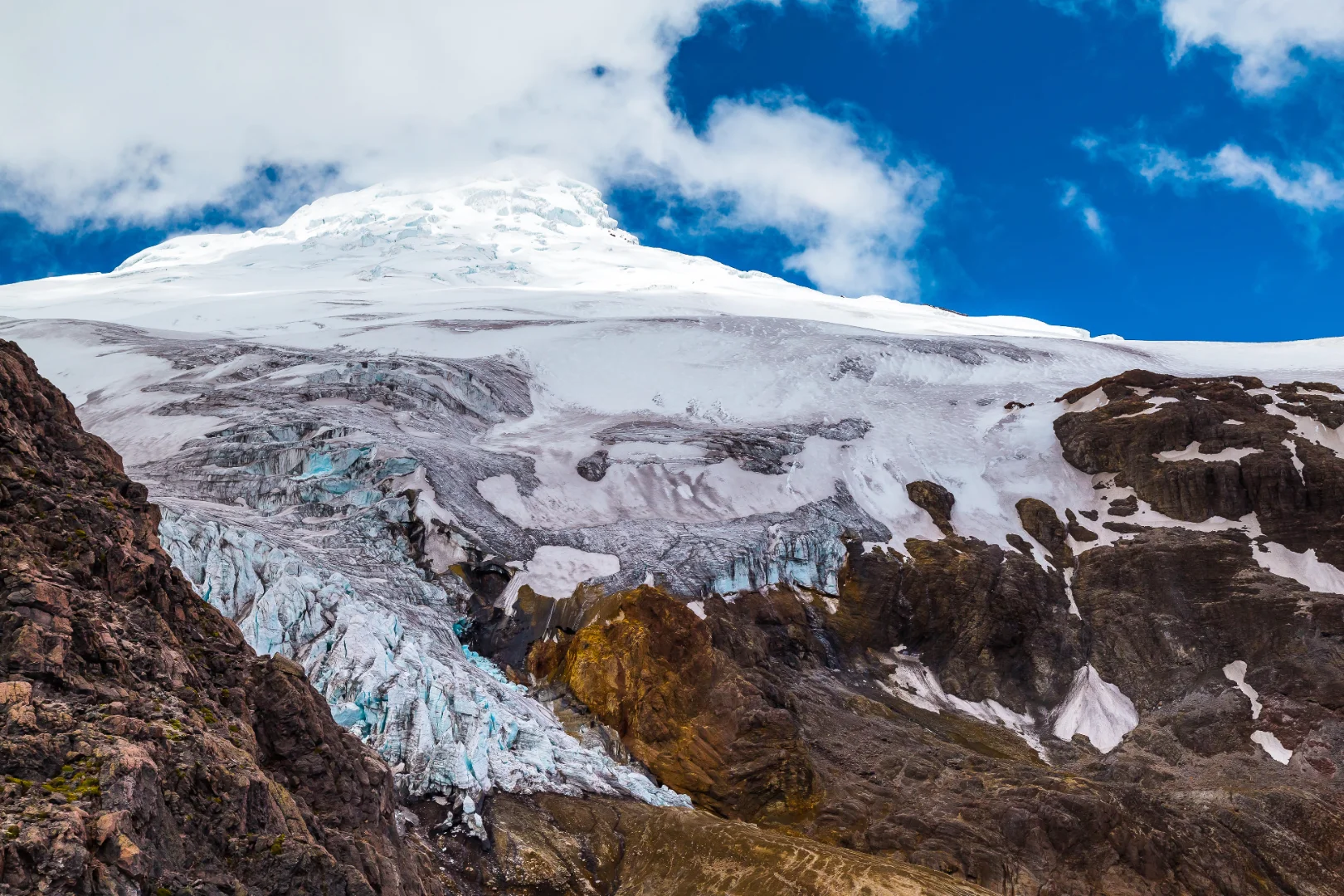
Maravilhosas trilhas de caminhada no Equador, adequadas para caminhantes de todos os níveis
23/07/2026
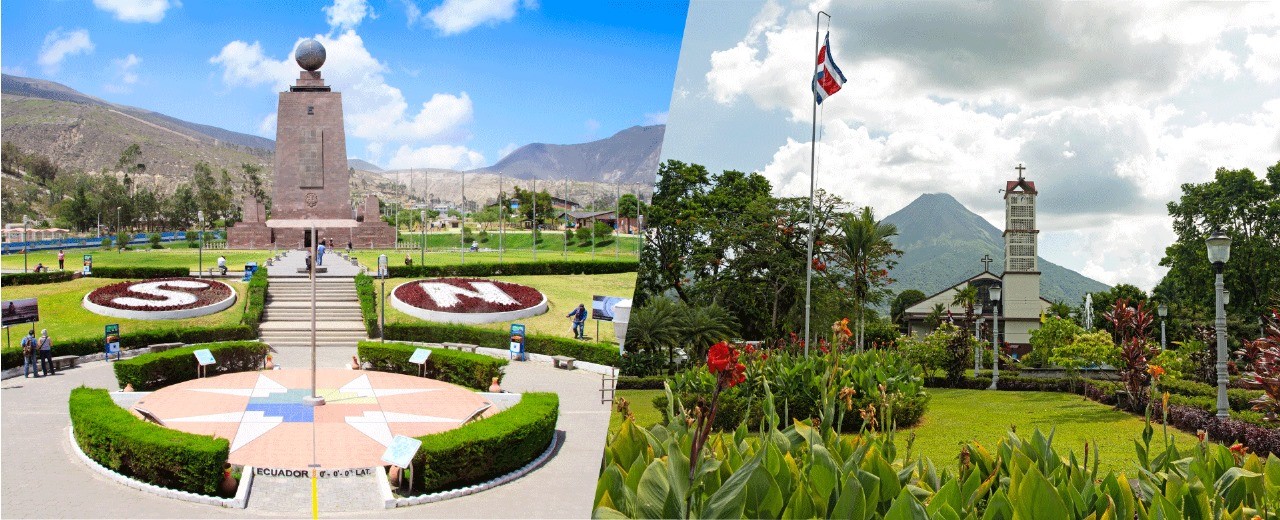
Costa Rica vs. Equador: Qual é o melhor destino para uma aventura sustentável?

16/07/2026
Feria de las Flores de Medellín: Um guia sobre o festival e a tradição dos silleteros

14/07/2026
Rota do Spondylus no Equador: a melhor viagem de carro pela costa?
14/07/2026
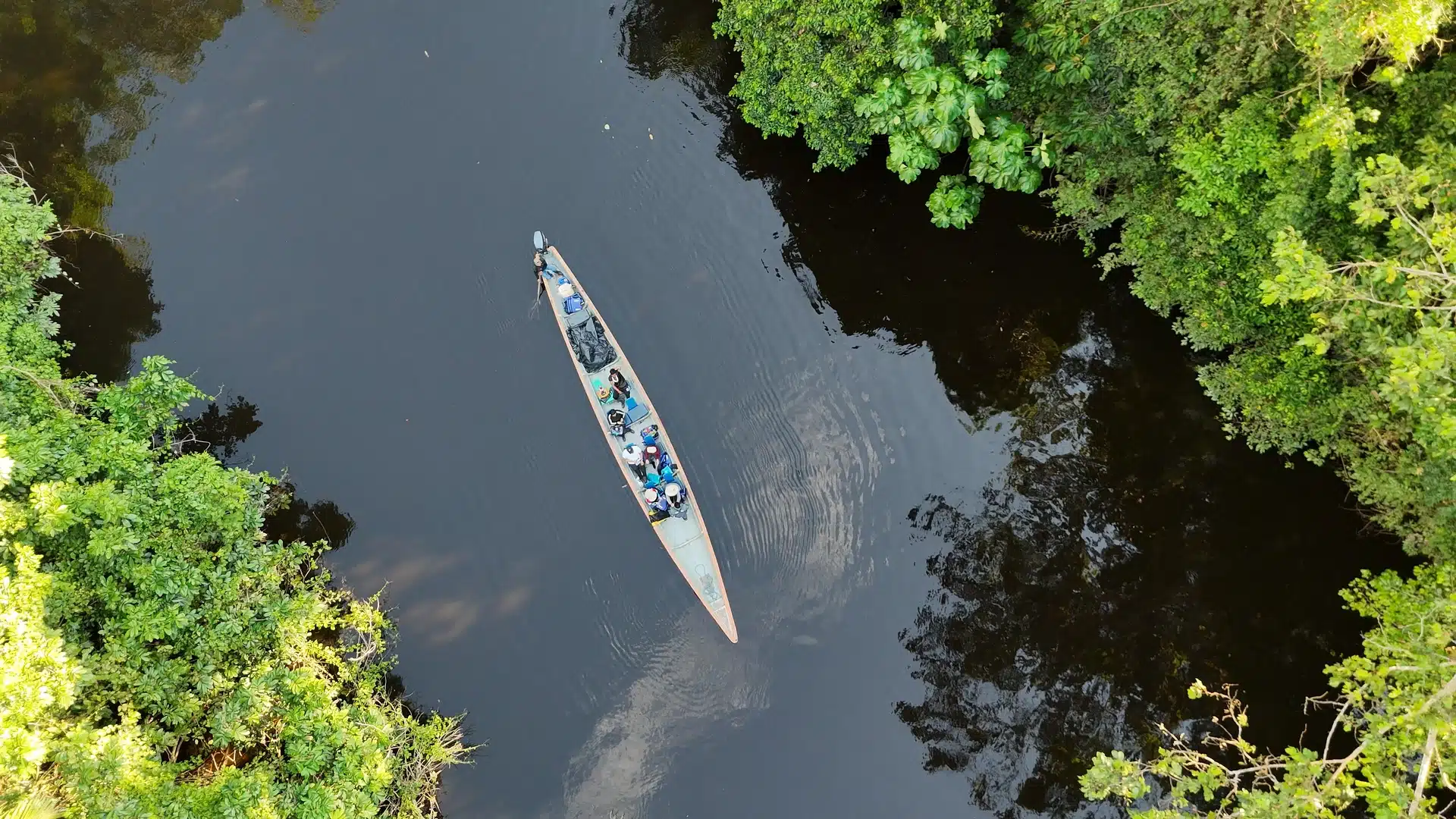
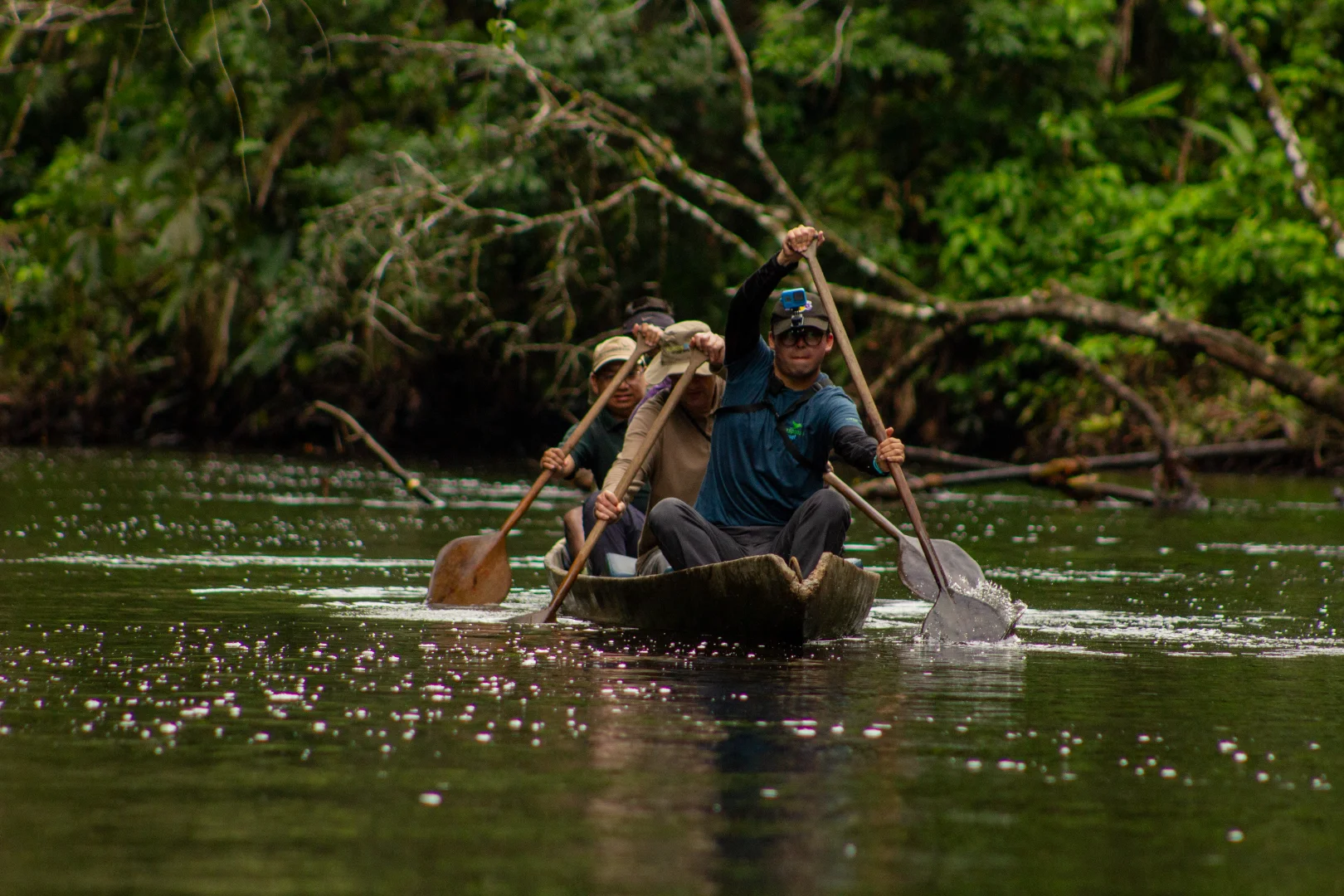
A Reserva Natural de Cuyabeno: uma floresta tropical equatoriana única, repleta de «killas»
13/07/2026
Canoas tradicionais da Amazônia e a história da Killas
Conteúdo mais visto
06/07/2026
Por que é que viajar no dia do teu aniversário é algo que devias fazer?
21/05/2026
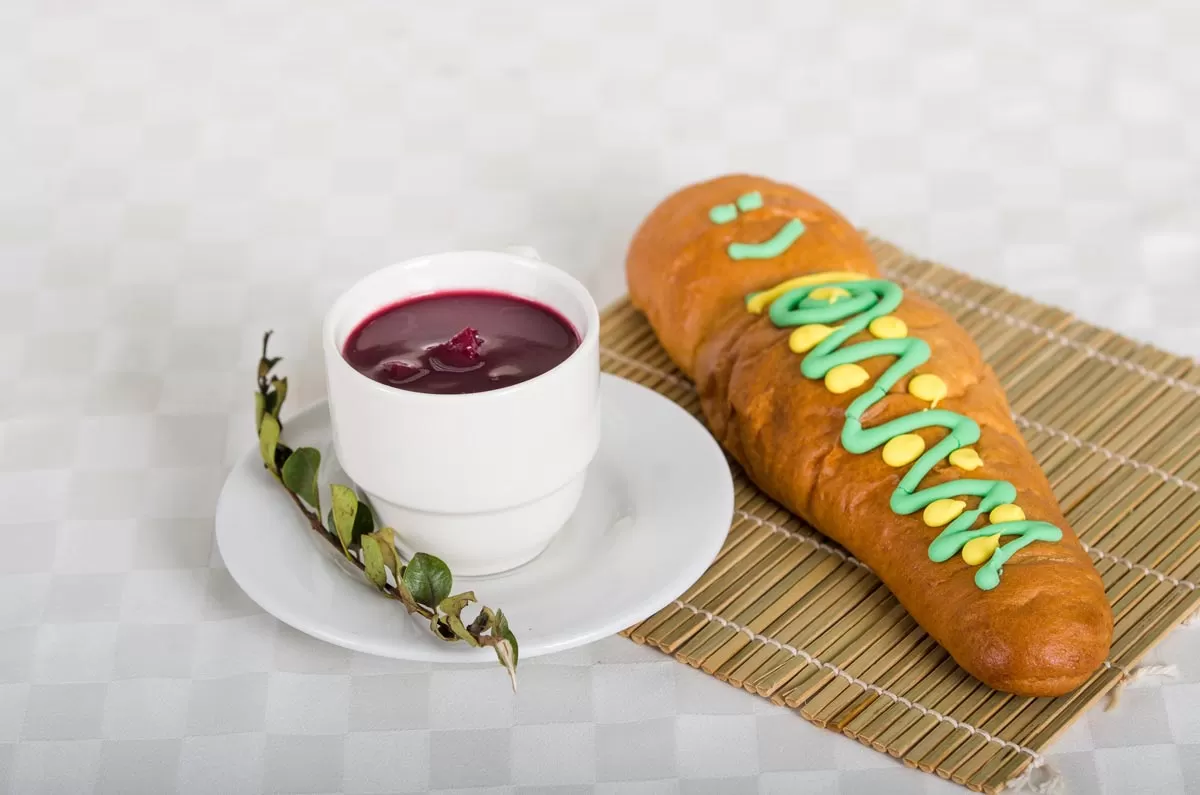
O que é o «Día de los Muertos» no Equador?
21/05/2026
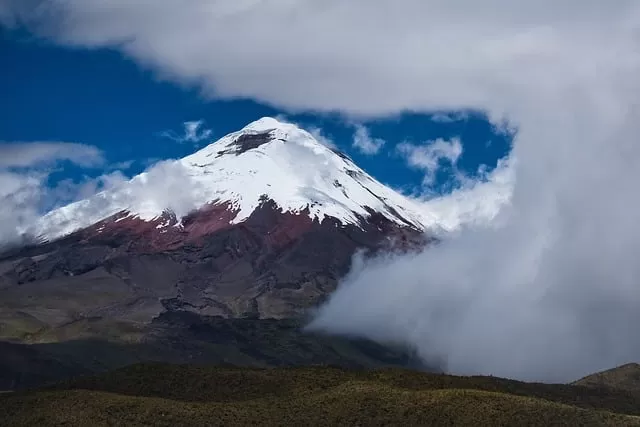
Chimborazo, Equador, 2023: A montanha que nunca irás esquecer
21/05/2026
Principais destinos turísticos do Equador para 2023 e 2024
21/05/2026
The Best Tourist Places to See in Cusco ?
21/05/2026
4 Reasons why traveling is way more than visiting places
HISTÓRIA DO CHAPÉU DO PANAMÁ
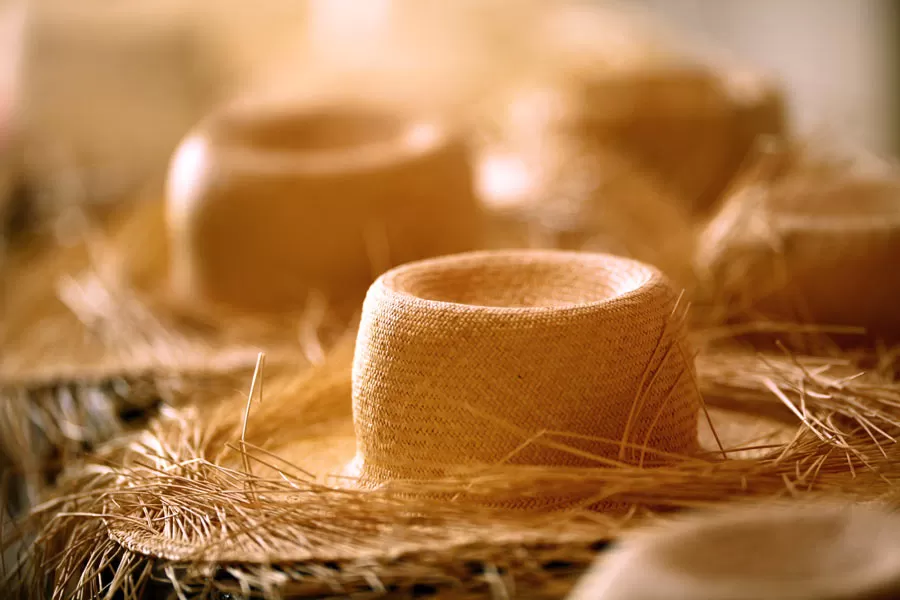
Por volta de 1630, os habitantes de Manabí, no Equador, começaram a fabricar chapéus com as folhas da palmeira toquilla (Carludovica palmata), uma planta que cresce nas regiões mais quentes do Equador e se assemelha muito a uma palmeira. Foi nessa altura que o chapéu do Panamá começou a ser usado. Antes disso, as pessoas da região já fabricavam chapéus para proteger as orelhas.
Durante o século XVII, este tecido começou a ser utilizado em vez do algodão na confeção de chapéus. Os chapeleiros de Montecristi e Jipijapa eram especialistas na confeção de um modelo de chapéu que antecedeu o chapéu do Panamá. Na Exposição Universal de Paris, em 1855, estes chapéus chamaram a atenção de todo o mundo. A rainha Isabel II de Espanha ordenou, em 1859, que uma companhia de infantaria usasse o «chapéu de Jipijapa» como parte do seu uniforme. O chapéu tornou-se um sucesso imediato e chegou mesmo a ser vendido noutros países. Durante a corrida ao ouro, os garimpeiros a caminho da Califórnia usavam-no. Após a viragem do século, os trabalhadores do Canal do Panamá usavam-no.
O QUE O CHAPÉU DO PANAMÁ TEM A VER COM O CANAL DO PANAMÁ
Era comum estes chapéus serem enviados através do Panamá, onde as autoridades os identificavam para viagem para a América do Norte e a Europa. Foi assim que receberam o seu nome. O nome ficou consolidado depois de ter sido publicada, em 1906, uma fotografia do presidente dos EUA, Theodore Roosevelt, a usar um «Sombrero Fino» durante uma visita ao Canal do Panamá.
ATUALIDADE
A maioria dos chapéus do Panamá é fabricada em oficinas nas proximidades de Cuenca e em cidades costeiras do Equador (Montecristi e Jipijapa).A produção pode demorar entre um dia e oito meses, dependendo da finura dos fios.
Estes chapéus custam entre dez dólares e vários milhares de dólares. A gama vai desde o «Regular», que é o mais básico, até ao «Fino», «Extra Fino» e «Supremo» ou «Super Fino», que é o melhor.
RECONHECIMENTO A NÍVEL MUNDIAL
O chapéu Panamá continua a ser muito popular nos dias de hoje. E, em 2012, a UNESCO incluiu o chapéu Panamá equatoriano na sua lista do património cultural imaterial mais importante do mundo.
É importante referir que este prémio demonstra a importância do chapéu para os povos indígenas do Equador e as formas tradicionais como o fabricam.


Se quiseres saber como comprar estes chapéus fantásticos diretamente do Equador, envia-nos um e-mail parainfo@egt.ecou visite os locais dos nossos passeios no nosso sitehttps://blog.responsibletravelsa.com e descubra os melhores passeios no Equador enquanto compra belos produtos de artesanato.
HISTÓRIA DO CHAPÉU DO PANAMÁ
Por volta de 1630, os habitantes de Manabí, no Equador, começaram a fabricar chapéus com as folhas da palmeira toquilla (Carludovica palmata), uma planta que cresce nas regiões mais quentes do Equador e se assemelha muito a uma palmeira. Foi nessa altura que o chapéu do Panamá começou a ser usado. Antes disso, as pessoas da região já fabricavam chapéus para proteger as orelhas.
Durante o século XVII, este tecido começou a ser utilizado em vez do algodão na confeção de chapéus. Os chapeleiros de Montecristi e Jipijapa eram especialistas na confeção de um modelo de chapéu que antecedeu o chapéu do Panamá. Na Exposição Universal de Paris, em 1855, estes chapéus chamaram a atenção de todo o mundo. A rainha Isabel II de Espanha ordenou, em 1859, que uma companhia de infantaria usasse o «chapéu de Jipijapa» como parte do seu uniforme. O chapéu tornou-se um sucesso imediato e chegou mesmo a ser vendido noutros países. Durante a corrida ao ouro, os garimpeiros a caminho da Califórnia usavam-no. Após a viragem do século, os trabalhadores do Canal do Panamá usavam-no.
O QUE O CHAPÉU DO PANAMÁ TEM A VER COM O CANAL DO PANAMÁ
Era comum estes chapéus serem enviados através do Panamá, onde as autoridades os identificavam para viagem para a América do Norte e a Europa. Foi assim que receberam o seu nome. O nome ficou consolidado depois de ter sido publicada, em 1906, uma fotografia do presidente dos EUA, Theodore Roosevelt, a usar um «Sombrero Fino» durante uma visita ao Canal do Panamá.
ATUALIDADE
A maioria dos chapéus do Panamá é fabricada em oficinas nas proximidades de Cuenca e em cidades costeiras do Equador (Montecristi e Jipijapa).A produção pode demorar entre um dia e oito meses, dependendo da finura dos fios.
Estes chapéus custam entre dez dólares e vários milhares de dólares. A gama vai desde o «Regular», que é o mais básico, até ao «Fino», «Extra Fino» e «Supremo» ou «Super Fino», que é o melhor.
RECONHECIMENTO A NÍVEL MUNDIAL
O chapéu Panamá continua a ser muito popular nos dias de hoje. E, em 2012, a UNESCO incluiu o chapéu Panamá equatoriano na sua lista do património cultural imaterial mais importante do mundo.
É importante referir que este prémio demonstra a importância do chapéu para os povos indígenas do Equador e as formas tradicionais como o fabricam.
Se quiseres saber como comprar estes chapéus fantásticos diretamente do Equador, envia-nos um e-mail parainfo@egt.ecou visite os locais dos nossos passeios no nosso sitehttps://blog.responsibletravelsa.com e descubra os melhores passeios no Equador enquanto compra belos produtos de artesanato.
Explore nossas últimas notícias
04/08/2026
Huasquila Amazon Lodge: Localização, Acesso e Atividades
03/08/2026
Parque Nacional de Antisana: Vulcão, vida selvagem e La Mica
29/07/2026
Xamãs no Equador: Uma viagem ao coração da sabedoria amazónica
27/07/2026
À descoberta da tribo Waorani: O Escudo da Amazónia
24/07/2026
Que ilhas visitou Darwin durante a sua exploração?
24/07/2026
Os Grandes Lagos e Lagoas da América do Sul: Paisagens Ricas em História, Cultura e Natureza
Conteúdo melhor avaliado
24/07/2026
Maravilhosas trilhas de caminhada no Equador, adequadas para caminhantes de todos os níveis
23/07/2026
Costa Rica vs. Equador: Qual é o melhor destino para uma aventura sustentável?
16/07/2026
Feria de las Flores de Medellín: Um guia sobre o festival e a tradição dos silleteros
14/07/2026
Rota do Spondylus no Equador: a melhor viagem de carro pela costa?
14/07/2026
A Reserva Natural de Cuyabeno: uma floresta tropical equatoriana única, repleta de «killas»
13/07/2026
Canoas tradicionais da Amazônia e a história da Killas
Conteúdo mais visto
06/07/2026
Por que é que viajar no dia do teu aniversário é algo que devias fazer?
21/05/2026
O que é o «Día de los Muertos» no Equador?
21/05/2026
Chimborazo, Equador, 2023: A montanha que nunca irás esquecer
21/05/2026
Principais destinos turísticos do Equador para 2023 e 2024
21/05/2026
The Best Tourist Places to See in Cusco ?
21/05/2026
4 Reasons why traveling is way more than visiting places